

Embark on a journey through the world of white interior design, where simplicity meets elegance, and minimalism reigns supreme. From the pristine allure of white spaces to the artful play of textures and materials, discover how white can transform any room into a timeless masterpiece.
Overview of White Interior Design
White interior design is a popular choice in home decor that focuses on using the color white as the primary element in designing living spaces. It involves incorporating various shades of white, along with textures and patterns, to create a clean, bright, and timeless look.
Popularity and Appeal
White interiors have gained widespread popularity due to their versatility and ability to make spaces appear larger and more open. The crisp and airy feel of white rooms can create a sense of tranquility and sophistication, making them a favorite among interior designers and homeowners alike.
Benefits of Using White
- Creates a sense of spaciousness: White reflects light and makes rooms feel more expansive, ideal for smaller spaces or rooms with limited natural light.
- Timeless and classic: White interiors have a timeless appeal that can easily adapt to changing trends, ensuring longevity in design choices.
- Allows for versatility: White serves as a neutral backdrop that allows for easy incorporation of different accent colors, textures, and decor styles.
- Promotes a sense of calm: The clean and serene aesthetic of white interiors can help create a peaceful and calming environment, perfect for relaxation.
White Interior Design Elements
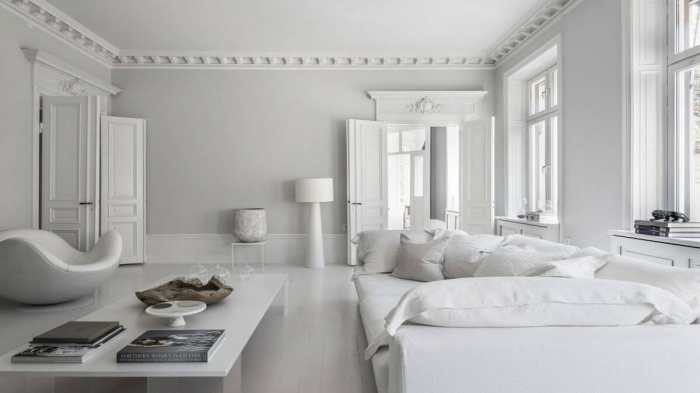
White interior design is characterized by its clean, minimalist, and sophisticated aesthetic. Several key elements contribute to creating a cohesive white interior design scheme, including the strategic use of lighting, textures, and materials.
Lighting in White Interiors
Lighting plays a crucial role in enhancing white interiors by adding depth, warmth, and dimension to the space. Incorporating a mix of natural light, ambient lighting, and task lighting can help prevent a white room from appearing flat or sterile.
Consider using light fixtures with warm tones to create a cozy atmosphere and highlight the various elements within the space.
Textures and Materials in White Interior Design
Textures and materials are essential components of white interior design as they add visual interest and tactile appeal to the space. Mixing different textures such as smooth surfaces, rough finishes, soft fabrics, and natural elements can create a dynamic and layered look.
Materials like wood, metal, glass, and stone can be used to introduce contrast and balance to a predominantly white color palette. Additionally, incorporating pops of color through accessories or furniture can help prevent a white interior from feeling monotonous and add personality to the overall design.
Creating Contrast in White Interior Design
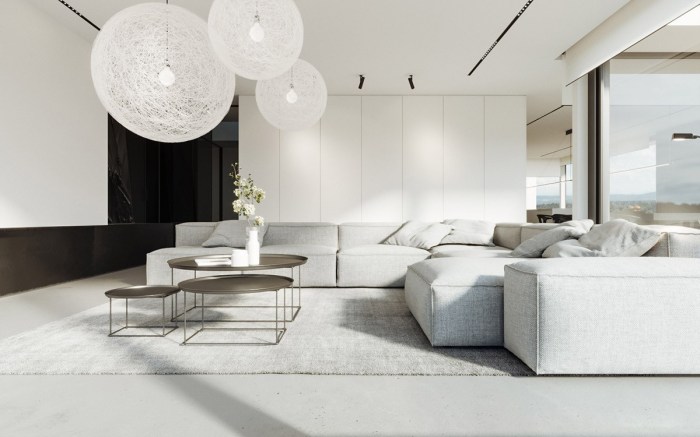
Creating contrast in a predominantly white space is essential to prevent it from looking bland or sterile. By incorporating different elements strategically, you can add depth and visual interest to the design.
Using Accent Colors
- Choose a bold accent color to create a striking contrast against the white backdrop.
- Use accent colors for furniture pieces, decor items, or accent walls to add pops of color throughout the space.
- Consider incorporating complementary colors like navy blue, emerald green, or mustard yellow to create a harmonious yet contrasting look.
Incorporating Patterns and Prints
Patterns and prints can be another effective way to introduce contrast in a white interior design:
- Opt for geometric patterns, floral prints, or stripes to break the monotony of a white space.
- Mix and match different patterns but ensure they share a common color palette to maintain cohesiveness.
- Consider using patterned rugs, throw pillows, or curtains to add texture and visual interest to the room.
White Interior Design Styles
White interior design styles offer a versatile and timeless approach to decorating spaces. The use of a white color palette can create a sense of elegance, sophistication, and serenity in any room. Let's explore different interior design styles that work well with a white color palette, including minimalist white interiors and a comparison between traditional and modern approaches to white interior design.
Minimalist White Interiors
A minimalist white interior design style focuses on simplicity, clean lines, and a clutter-free environment. This style often features a limited color palette with predominantly white tones, creating a sense of calm and spaciousness. Minimalist white interiors emphasize functionality and purpose, with an emphasis on quality over quantity.
Traditional vs. Modern Approaches
Traditional white interior design is characterized by ornate details, intricate patterns, and rich textures. This style often incorporates antique furniture, classic architectural elements, and a warm color palette to create a cozy and inviting atmosphere. In contrast, modern white interior design embraces sleek lines, minimalistic furniture, and a neutral color scheme to achieve a more contemporary and streamlined look.
Modern white interiors focus on open spaces, natural light, and a sense of airiness.
Maintaining White Interiors
Maintaining white interiors can be a challenge, but with the right tips and techniques, you can keep your space looking clean and pristine.
Tips for Keeping White Interiors Clean
- Regularly dust and wipe down surfaces to prevent dirt and grime buildup.
- Use gentle cleaners specifically designed for white surfaces to avoid discoloration.
- Invest in quality cleaning tools like microfiber cloths to avoid scratching delicate surfaces.
- Consider using slipcovers or washable fabrics for furniture to easily keep them looking fresh.
Practical Considerations for High-Traffic Areas
- Choose durable materials that are easy to clean and maintain in high-traffic areas.
- Consider using area rugs or runners to protect white floors from heavy foot traffic.
- Opt for stain-resistant fabrics for upholstery in areas prone to spills and messes.
Choosing the Right Shades of White
- Consider the natural light in the space when choosing shades of white to avoid colors appearing too stark or yellowed.
- Warm whites can create a cozy atmosphere, while cool whites can give a crisp and modern look.
- Sample different shades of white in the space before committing to a color to see how they interact with the lighting.
Wrap-Up
As we conclude our exploration of white interior design, remember that the key to mastering this style lies in the delicate balance of light, contrast, and creativity. Embrace the versatility of white and unleash your inner designer to craft spaces that exude sophistication and charm.
Commonly Asked Questions
How can I create contrast in a white interior design?
To create contrast in a predominantly white space, consider adding elements like black accents, metallic finishes, or bold patterns to break the monotony and add visual interest.
What are some tips for maintaining white interiors?
To keep white interiors clean and pristine, regularly dust surfaces, spot clean any stains immediately, and opt for washable or easily cleanable materials to maintain the fresh look of your white spaces.
Which interior design styles work well with a white color palette?
Interior design styles like Scandinavian, modern, and coastal often complement a white color palette, as they emphasize clean lines, simplicity, and a light, airy feel that white interiors enhance.