
Embark on a journey through the realm of vinyl siding labor cost per square foot, where we unravel the intricacies of pricing and factors that influence this crucial aspect of home improvement projects.
Delve into the specifics of what determines the cost of labor in vinyl siding installation, from geographical variations to project complexities, guiding you towards informed decision-making.
Factors affecting vinyl siding labor cost per square foot
When it comes to determining the labor cost per square foot for vinyl siding installation, several factors come into play. These factors can significantly impact the overall pricing and should be taken into consideration when planning your project.
Location
The location of your property can have a significant impact on the labor cost of installing vinyl siding. Urban areas with higher living costs and stricter building codes may result in higher labor costs compared to rural areas. Additionally, accessibility to the property and local labor rates can also influence pricing.
Complexity of the job
The complexity of the installation job plays a crucial role in determining the labor cost per square foot. Factors such as the size and shape of the property, the number of corners, gables, and other architectural details can increase the time and effort required for installation, thus affecting the overall cost.
Material quality
The quality of the vinyl siding material chosen for the project can impact the labor cost per square foot. Higher quality materials may require more skill and precision during installation, leading to increased labor costs. Additionally, the durability and warranty of the material can also influence pricing.
Average vinyl siding labor cost per square foot
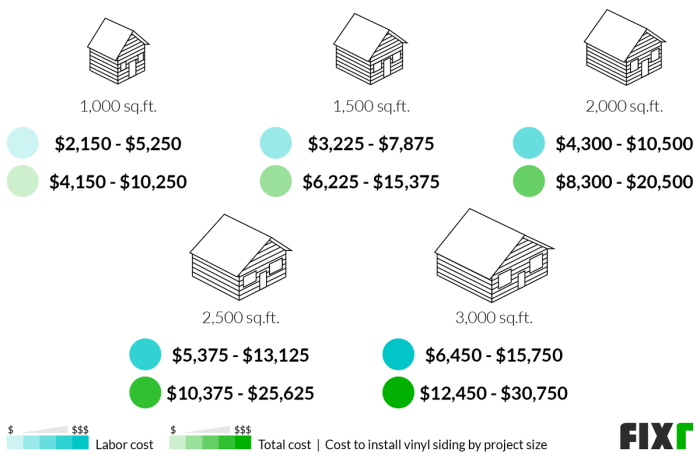
When it comes to the average vinyl siding labor cost per square foot, it typically ranges from $3 to $7. This cost covers the installation labor only and does not include the price of materials. Labor costs can vary significantly depending on the region or city where the installation is taking place.
For instance, in urban areas with high demand for construction services, labor costs may be higher compared to rural areas where labor is more readily available. Additionally, labor costs may also be influenced by factors such as the cost of living, prevailing wage rates, and the level of competition among contractors in the area.
Regional Comparison of Labor Costs
In cities like New York or Los Angeles, where the cost of living is high, the average labor cost for vinyl siding installation per square foot may be closer to the higher end of the range, around $6 to $7.
On the other hand, in more rural areas or smaller towns, labor costs could fall towards the lower end of the range, around $3 to $4 per square foot.Factors such as the availability of skilled labor, regulatory requirements, and the overall demand for construction services in a particular region can all impact the labor costs for vinyl siding installation.
It's important for homeowners to consider these regional variations when budgeting for their siding project.
Cost-saving strategies for vinyl siding installation
When it comes to vinyl siding installation, there are several cost-saving strategies that homeowners can consider to reduce labor expenses and overall project costs. Whether it's negotiating pricing with contractors or exploring DIY options, being proactive in finding ways to save on labor costs can make a significant difference in the total investment required for your siding project.
Negotiating pricing with contractors
- Get multiple quotes: Reach out to different contractors to compare pricing and services offered. This can help you negotiate a better deal and ensure you are getting a competitive rate for the labor involved.
- Ask about off-peak discounts: Contractors may be more willing to offer discounts during their slower seasons or when they have gaps in their schedule. Inquiring about off-peak pricing can help you secure a lower labor cost.
- Bundle services: If you have multiple projects or repairs needed around your home, consider bundling them together with your siding installation. Contractors may be more willing to offer a discounted rate if they can complete multiple tasks during one visit.
Exploring DIY options
- Educate yourself: Before attempting any DIY siding installation, make sure you thoroughly research the process and requirements. There are many online resources, tutorials, and guides available to help you understand the steps involved.
- Start with small projects: If you are new to DIY home improvement projects, consider starting with smaller tasks to build your skills and confidence. This can help you avoid costly mistakes on larger projects like siding installation.
- Consult with professionals: While DIY can save on labor costs, it's important to consult with professionals or attend workshops to ensure you are following best practices and safety guidelines. Making errors during the installation process can end up costing more in the long run.
Hiring professionals vs. DIY for vinyl siding installation
When it comes to vinyl siding installation, homeowners often face the decision of hiring professionals or attempting a DIY approach. Each option has its pros and cons, which should be carefully considered before making a choice.
Pros and Cons of Hiring Professionals
- Pros:
- Professional expertise and experience ensure a high-quality installation.
- Save time and effort by letting experts handle the job efficiently.
- Warranty or guarantee on workmanship may be provided by professional installers.
- Cons:
- Higher upfront cost compared to a DIY approach.
- Limited control over the installation process and timeline.
- Dependence on the availability and schedule of professional installers.
Pros and Cons of DIY Installation
- Pros:
- Potential cost savings by eliminating labor costs associated with professionals.
- Flexibility to work at your own pace and schedule.
- Sense of accomplishment and pride in completing the project yourself.
- Cons:
- Risk of errors or improper installation leading to future problems.
- Time-consuming process, especially for those with limited experience.
- Lack of access to professional tools and equipment for a seamless installation.
When to Hire Professionals vs. DIY
- It's advisable to hire professionals if:
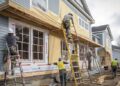
- The project involves multi-story buildings or complex architectural features.
- You lack the necessary skills, tools, or time to ensure a proper installation.
- You prefer a hassle-free experience with guaranteed results.
- A DIY approach might be feasible if:
- You have prior experience with similar projects and feel confident in your abilities.
- The project is small-scale or straightforward without intricate details.
- You are willing to invest the time and effort to learn and execute the installation correctly.
Last Word
In conclusion, understanding the nuances of vinyl siding labor cost per square foot empowers homeowners to navigate the realm of renovation expenses with clarity and confidence, ensuring a budget-friendly and successful outcome for their projects.
Helpful Answers
What factors influence vinyl siding labor cost per square foot?
Factors such as location, project complexity, and material quality significantly impact the overall labor cost per square foot.
How do labor costs for vinyl siding installation vary across different regions?
Labor costs can vary based on geographical location and market demand, with urban areas often having higher labor costs compared to rural regions.
What are some cost-saving strategies for vinyl siding installation labor expenses?
Negotiating pricing with contractors, choosing cost-effective methods, and exploring DIY options are effective strategies to reduce labor expenses for vinyl siding projects.
When is it advisable to hire professionals for vinyl siding installation?
Hiring professionals is recommended for complex projects or when expertise is required, while DIY approaches may be feasible for simpler installations with appropriate skills and tools.