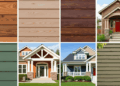

Exploring the world of house sidings offers a wealth of options to enhance your home's exterior. From classic wood to modern vinyl, each material brings its own set of benefits and considerations. Let's dive into the realm of sidings for house to discover the perfect fit for your home.
When it comes to protecting and beautifying your house, the type of siding you choose plays a crucial role. This guide will walk you through everything you need to know to make an informed decision.
Types of Sidings
Vinyl Siding:
Vinyl Siding
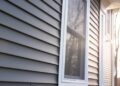
Vinyl siding is a popular choice due to its affordability and low maintenance requirements. It comes in a variety of colors and styles, making it versatile for different aesthetic preferences.
- Pros: Affordable, low maintenance, versatile in design
- Cons: Prone to fading and cracking over time, limited insulation properties
Wood Siding:
Wood Siding
Wood siding offers a natural and timeless look to a house. It can be painted or stained to match the desired aesthetic, giving homeowners flexibility in design.
- Pros: Natural look, can be painted or stained, environmentally friendly
- Cons: High maintenance, susceptible to rot and pests, more expensive than vinyl
Fiber Cement Siding:
Fiber Cement Siding
Fiber cement siding is a durable option that mimics the look of wood but with less maintenance. It is resistant to fire, insects, and rot, making it a practical choice for many homeowners.
- Pros: Durable, low maintenance, fire-resistant
- Cons: Higher cost than vinyl, requires special tools for installation
Metal Siding:
Metal Siding
Metal siding is known for its durability and resistance to harsh weather conditions. It is also recyclable, making it an environmentally friendly choice for homeowners.
- Pros: Durable, weather-resistant, recyclable
- Cons: Can dent or scratch easily, limited color options
Factors to Consider
When choosing the right siding for your house, there are several important factors to consider to ensure that you make the best decision for your home. Factors such as climate, maintenance requirements, and cost-effectiveness play a crucial role in determining the most suitable siding material for your specific needs.
Importance of Climate in Choosing Siding Materials
Climate is a key factor to consider when selecting siding materials for your house. Different climates can have varying effects on siding materials, so it is essential to choose a material that can withstand the specific weather conditions in your area.
For example, in regions with high humidity or frequent rain, moisture-resistant materials like vinyl or fiber cement siding may be more suitable. On the other hand, in areas with extreme temperature fluctuations, materials like wood or engineered wood siding may be better equipped to handle such conditions.
Maintenance Requirements for Various Siding Options
Each type of siding material comes with its own set of maintenance requirements that should be taken into account. For example, wood siding may require regular painting or staining to prevent rot or decay, while vinyl siding is relatively low-maintenance and only requires occasional cleaning.
Fiber cement siding is known for its durability but may need to be repainted every few years. By understanding the maintenance needs of different siding options, you can choose a material that aligns with your maintenance preferences and capabilities.
Cost-Effectiveness of Different Sidings in the Long Run
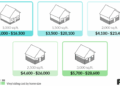
When considering the cost-effectiveness of siding materials, it is important to look beyond the initial installation costs and consider the long-term expenses associated with maintenance and repairs. While some siding materials may have a higher upfront cost, they may prove to be more cost-effective in the long run due to their durability and low maintenance requirements.
On the other hand, opting for a cheaper material that requires frequent repairs or replacements can end up costing more over time. It is essential to weigh the upfront costs against the long-term benefits of each siding option to make an informed decision that fits your budget and needs.
Installation Process
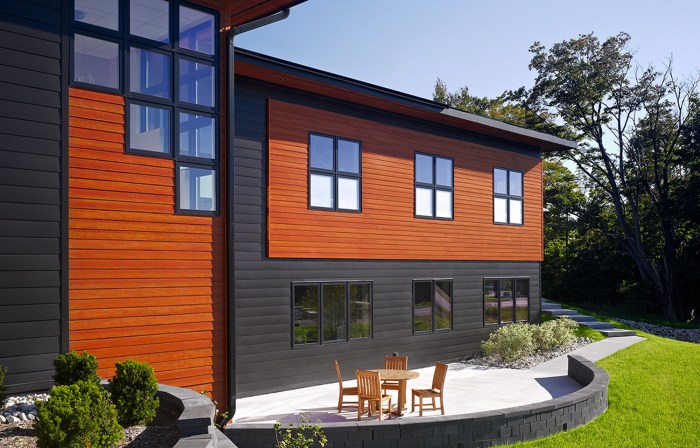
When it comes to installing house sidings, there are several steps involved to ensure a proper and long-lasting finish. Whether you choose to tackle this project yourself or hire professionals, it's essential to follow the correct procedures.
Preparing the Surface
Before installing the sidings, it's crucial to prepare the surface properly. This involves cleaning the walls, removing any old siding, and ensuring that the surface is smooth and free of any debris.
Measuring and Cutting
Accurate measurements are key to a successful siding installation. Make sure to measure the walls carefully and cut the sidings to fit perfectly around doors, windows, and corners.
Installing the Sidings
Start installing the sidings from the bottom up, following the manufacturer's instructions. Use the appropriate tools and techniques to secure the sidings in place, making sure they are level and properly aligned.
Finishing Touches
Once the sidings are installed, make sure to add finishing touches like caulking, painting, or sealing to protect the sidings from the elements and enhance their appearance.
Tips for DIY Siding Installation
If you decide to install the sidings yourself, here are some tips to help you along the way:
- Take your time and follow the instructions carefully.
- Use the right tools for the job to ensure a professional finish.
- Ask for help if needed, especially when working on tall walls or difficult areas.
- Double-check your measurements before cutting the sidings to avoid costly mistakes.
Importance of Hiring Professionals
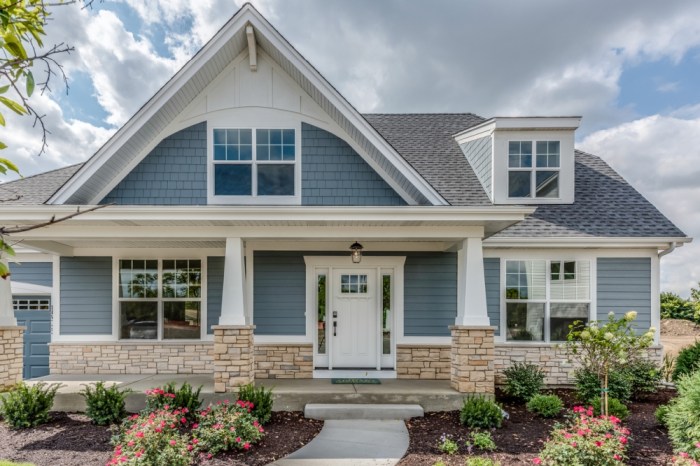
While DIY siding installation can be a rewarding project, there are certain benefits to hiring professionals for the job:
- Professional installers have the experience and expertise to handle the installation efficiently and accurately.
- They can provide valuable advice on the best siding materials and techniques for your specific needs.
- Professional installation often comes with warranties and guarantees, giving you peace of mind and protection against any issues that may arise.
Enhancing Curb Appeal
When it comes to enhancing the curb appeal of your home, choosing the right siding colors, textures, and materials can make a significant difference in the overall look and feel of your house.
Choosing Siding Colors
One of the key factors in enhancing curb appeal is selecting siding colors that complement the design and style of your home. Consider the existing color palette of your house, including the roof, trim, and landscaping. Choose colors that harmonize with these elements to create a cohesive and visually appealing exterior.
Impact of Siding Textures
The texture of siding can also play a crucial role in the overall aesthetics of your home. Smooth textures can give a modern and sleek look, while textured or wood-grain patterns can add warmth and character. Consider the architectural style of your house when selecting the texture of the siding to ensure it enhances the overall design.
Mixing Siding Materials
Another way to enhance curb appeal is by mixing different siding materials. Combining materials like wood, vinyl, stone, or fiber cement can create visual interest and depth. For example, using stone veneer accents with vinyl siding can add a touch of elegance and sophistication to your home's exterior.
Just make sure to balance the different materials to achieve a cohesive and harmonious look.
Closing Summary
As we wrap up our exploration of sidings for house, remember that the right choice can transform not just the look but also the longevity of your home. By understanding the various options available and factors to consider, you're well-equipped to make a decision that suits your needs.
Frequently Asked Questions
What are the most common types of sidings for houses?
Common types include vinyl, wood, fiber cement, and metal sidings, each with its own unique characteristics and benefits.
How important is climate when choosing siding materials?
Climate plays a significant role as it can affect the durability and maintenance of different siding materials.
Is DIY siding installation recommended?
While some may opt for DIY installation, hiring professionals ensures a proper and efficient siding installation process.