

Exploring the world of siding contractors opens up a realm of possibilities for homeowners and construction enthusiasts alike. From the importance of siding contractors in home construction to the intricate details of the installation process, this guide covers everything you need to know about these versatile professionals.
Delve into the qualifications, skills, and customer communication strategies that set top siding contractors apart in the industry. Whether you're looking to revamp your home's exterior or considering a career in siding contracting, this guide has you covered.
Importance of Siding Contractors
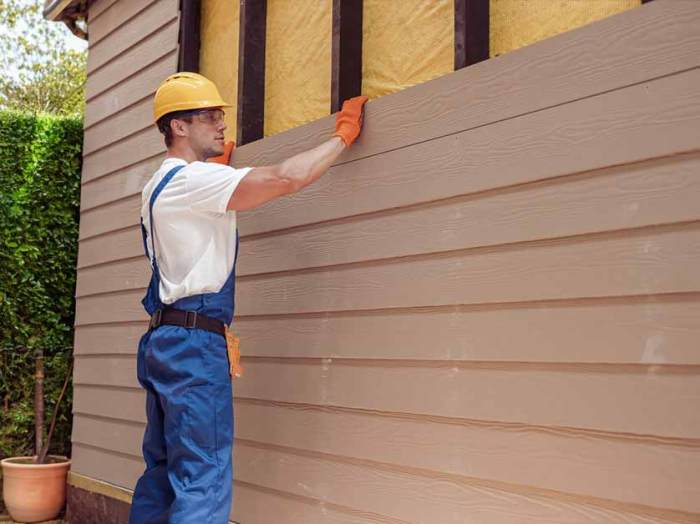
Siding contractors play a crucial role in the construction and renovation of homes by installing, repairing, and maintaining the exterior siding of buildings. They contribute significantly to the overall aesthetic appeal, functionality, and protection of a structure.
Types of Siding Materials and Styles
Siding contractors work with a variety of materials and styles to enhance the look and performance of a building. Some common siding materials include vinyl, wood, fiber cement, metal, and brick. Each material offers unique benefits in terms of durability, maintenance, and cost.
Additionally, siding contractors can work with different styles such as horizontal lap, vertical board and batten, shingle, and shake to achieve a desired architectural look.
Durability and Weather Resistance
Siding contractors ensure that the siding they install is durable and weather-resistant to protect the structure from the elements. They take into consideration factors like moisture, UV exposure, wind, and temperature fluctuations when selecting the appropriate siding material and installation techniques.
Properly installed siding can help prevent water infiltration, mold growth, and structural damage, ultimately prolonging the lifespan of the building.
Qualifications and Skills
To become a successful siding contractor, individuals need to possess a combination of specific qualifications and skills that are essential for the job.
Qualifications
- A high school diploma or equivalent is typically required to start a career as a siding contractor.
- Some employers may prefer candidates with post-secondary education in construction or a related field.
- Obtaining a contractor's license is often necessary to legally work as a siding contractor in many states.
Essential Skills
- Attention to detail is crucial when measuring, cutting, and installing siding materials accurately.
- Strong communication skills are needed to interact with clients, suppliers, and other construction professionals effectively.
- Problem-solving abilities are essential to address unexpected challenges that may arise during siding installation or repair projects.
Certifications and Training Programs
- The Vinyl Siding Institute offers certification programs for professionals looking to specialize in vinyl siding installation.
- The James Hardie Contractor Alliance Program provides training and certification for contractors working with fiber cement siding.
- Many trade schools and community colleges offer courses in construction, carpentry, and siding installation that can help aspiring contractors develop their skills.
Siding Material Specialization
- Wood Siding Contractors: Need expertise in working with natural wood materials, including proper treatment and maintenance techniques.
- Vinyl Siding Contractors: Should be familiar with the specific installation requirements and best practices for vinyl siding products.
- Fiber Cement Siding Contractors: Require knowledge of handling and installing fiber cement panels, which are heavier and more durable than other materials.
Siding Installation Process
When it comes to siding installation, siding contractors follow a detailed step-by-step process to ensure a successful project. From preparing the site to finishing touches, each step is crucial in achieving a high-quality result.
Tools and Equipment Used
- Siding Nail Gun: Used to secure siding panels to the exterior of the building.
- Utility Knife: Helps in cutting and shaping siding materials to fit perfectly.
- Ladder: Essential for reaching higher areas of the building during installation.
- Level: Ensures that siding panels are installed straight and aligned correctly.
Importance of Proper Preparation
Before installing siding, proper preparation is key to a successful project. This includes assessing the condition of the existing siding, making any necessary repairs, and ensuring the surface is clean and smooth for the new siding to adhere properly.
Common Challenges and Solutions
- Weather Conditions: Inclement weather can delay installation. Contractors monitor the weather forecast and plan accordingly to avoid any setbacks.
- Uneven Surfaces: Dealing with uneven surfaces can be a challenge. Contractors may use additional materials or techniques to create a level base for the siding.
- Matching Existing Siding: Finding the perfect match for existing siding can be tricky. Contractors work closely with suppliers to find the closest match possible for a seamless look.
Customer Communication and Service
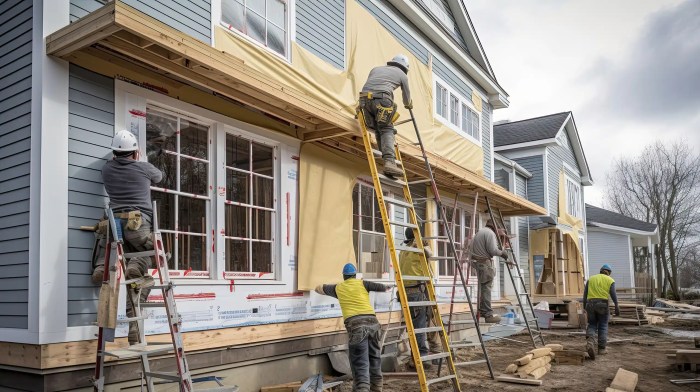
Effective communication between siding contractors and clients is crucial for a successful project. It helps in setting clear expectations, addressing any concerns, and ensuring customer satisfaction throughout the process. Here are some tips on how siding contractors can enhance customer service:
1. Regular Updates
Maintaining open lines of communication by providing regular updates on the project progress can help keep clients informed and reassured. Whether it's through phone calls, emails, or in-person meetings, staying in touch is key.
2. Active Listening
Listening to customer feedback and addressing their concerns promptly shows that you value their input. Siding contractors should actively listen to what clients have to say and take necessary actions to resolve any issues that may arise.
3. Timely Responses
Responding to customer inquiries and messages in a timely manner demonstrates professionalism and dedication to customer service. Quick responses help build trust and show clients that their needs are a top priority.
4. Handling Complaints
When faced with complaints or negative feedback, siding contractors should handle them with empathy and a problem-solving mindset. Addressing complaints promptly and finding solutions can turn a dissatisfied customer into a loyal one.
5. Transparency and Honesty
Maintaining transparency throughout the project, from initial estimates to final invoicing, is key to building trust with clients. Being honest about any challenges or delays can help manage expectations and foster a positive working relationship.By prioritizing effective communication and excellent customer service, siding contractors can ensure a positive experience for their clients and build a strong reputation in the industry.
Ending Remarks
As we wrap up our exploration of siding contractors, remember that these experts play a crucial role in enhancing the aesthetics, durability, and weather resistance of buildings. By understanding their qualifications, skills, and installation process, you're better equipped to make informed decisions when it comes to siding projects.
User Queries
What qualifications are typically required for siding contractors?
Most siding contractors need a high school diploma or equivalent, along with on-the-job training or apprenticeships to gain practical experience.
How do siding contractors ensure customer satisfaction?
By maintaining open communication, addressing client concerns promptly, and delivering high-quality workmanship, siding contractors can ensure customer satisfaction throughout a project.
What are some common challenges faced by siding contractors during installation?
Weather delays, structural issues, and material shortages are common challenges that siding contractors may encounter during the installation process. They overcome these challenges through careful planning and adaptability.