
As replacement vinyl siding takes center stage, this guide invites readers into a world of possibilities with various types, benefits, and maintenance tips. Let's explore the transformative power of this durable and stylish siding option.
Delve into the realm of replacement vinyl siding to discover the perfect blend of functionality and aesthetics for your home.
Types of Replacement Vinyl Siding
When considering replacement vinyl siding for your home, there are various types to choose from, each with its own unique characteristics and benefits. Let's explore the different options available in the market.
Styles, Colors, and Textures
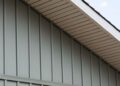
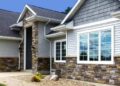
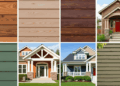
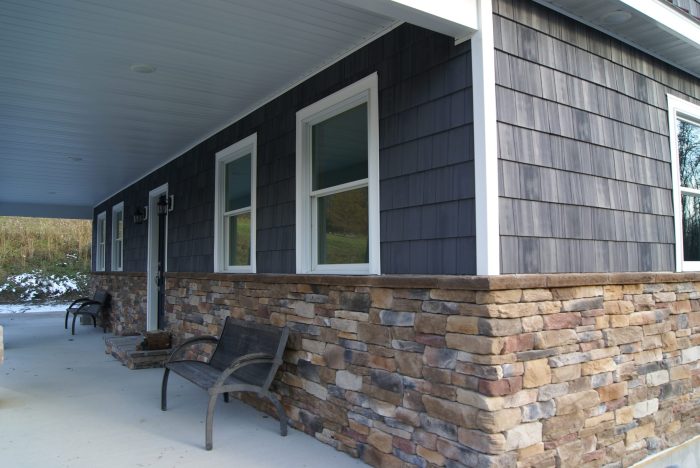
Replacement vinyl siding comes in a wide range of styles, colors, and textures to suit different aesthetic preferences. From traditional clapboard siding to modern vertical panels, there is a style to complement any home design. Colors range from classic neutrals like white and beige to bold hues like blue and red, allowing homeowners to customize their exterior.
Textures can mimic the look of wood, stone, or cedar shake, adding depth and visual interest to the siding.
Durability and Maintenance
One of the key advantages of vinyl siding is its durability. Most replacement vinyl siding is designed to withstand harsh weather conditions, resist fading, and not rot or warp like wood siding. Vinyl siding is also low maintenance, requiring only occasional cleaning with soap and water to keep it looking fresh.
Some types of vinyl siding may come with additional features like impact resistance or insulation properties, further enhancing their durability and energy efficiency.
Benefits of Replacement Vinyl Siding
When considering home renovations, replacement vinyl siding stands out as a popular choice due to its numerous benefits. Not only does it offer durability and low maintenance, but it also provides energy efficiency features and enhances the overall curb appeal of a home.
Energy Efficiency
Replacement vinyl siding can help improve the energy efficiency of a home by providing better insulation. The siding acts as a barrier against the elements, reducing heat loss in the winter and heat gain in the summer. This can lead to lower energy bills and a more comfortable living environment year-round.
Curb Appeal Enhancement
In addition to its energy-saving properties, replacement vinyl siding can also enhance the curb appeal of a home. With a wide range of colors and styles available, homeowners can choose a design that complements their property and boosts its overall aesthetic appeal.
Vinyl siding is known for its ability to maintain its color and finish over time, ensuring a lasting and attractive exterior for years to come.
Installation Process of Replacement Vinyl Siding
When it comes to installing replacement vinyl siding, it's essential to follow a systematic process to ensure a successful outcome. Here is a step-by-step guide to help you navigate through the installation process smoothly.
Preparation of Exterior
Before installing replacement vinyl siding, it's crucial to prepare the exterior of your home properly. Here are some tips to consider:
- Clean the existing siding to remove any dirt, debris, or mildew.
- Inspect the walls for any signs of damage or rot and make necessary repairs.
- Remove any obstacles that may hinder the installation process, such as plants, furniture, or decorations.
- Ensure proper insulation and moisture barrier to protect your home from external elements.
Installation Steps
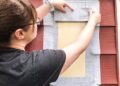
- Measure and cut the vinyl siding panels to fit the dimensions of your walls accurately.
- Start installing the siding from the bottom up, ensuring each panel overlaps the previous one to prevent water infiltration.
- Secure the panels using nails or screws, making sure they are properly aligned and leveled.
- Use J-channels, corner posts, and trim pieces to finish the edges and corners neatly.
- Apply caulk or sealant around windows, doors, and other openings to seal any gaps and prevent leaks.
- Finish the installation by adding finishing touches, such as vents, shutters, and accessories, to enhance the overall look of your home.
Common Challenges and Solutions
- Warped or bowed panels: To address this issue, try laying the panels flat in the sun to help them regain their shape before installation.
- Uneven walls: Use furring strips or shims to create a level surface for the siding to ensure a seamless installation.
- Mismatched colors: Always check the color consistency of the vinyl siding panels before installation to avoid any discrepancies.
- Weather conditions: Install replacement vinyl siding during favorable weather conditions to prevent complications and ensure a smooth installation process.
Maintenance and Care of Replacement Vinyl Siding
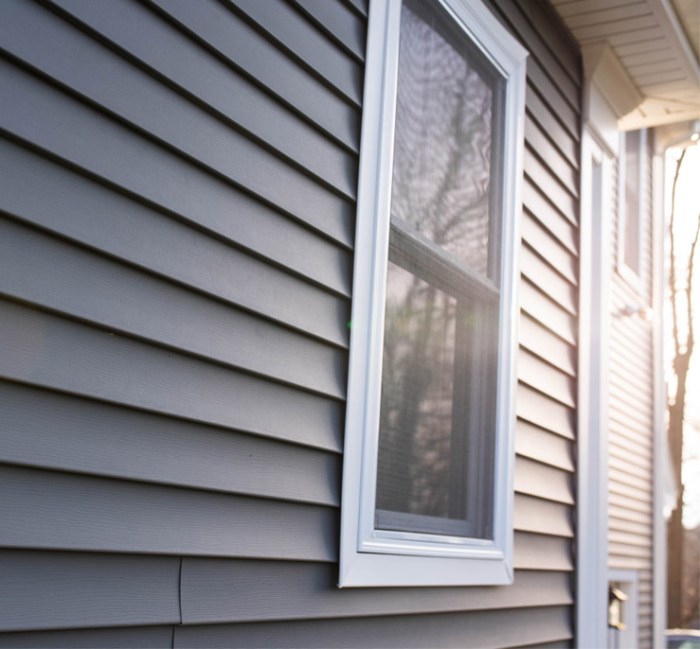
Proper maintenance and care are essential to ensure that your replacement vinyl siding stays in good condition for years to come. By following some simple steps, you can keep your siding looking new and vibrant.
Cleaning and Preserving Color
To clean your replacement vinyl siding, use a mixture of warm water and mild soap. Avoid harsh chemicals or abrasive cleaners that can damage the surface. Gently scrub the siding with a soft brush or cloth, working from bottom to top to prevent streaking.
Rinse thoroughly with a garden hose.
- Regularly clean your vinyl siding to prevent dirt and grime buildup, which can dull the color.
- Avoid using high-pressure washers, as they can force water behind the siding, leading to mold and mildew growth.
- Inspect your siding for any signs of mold or mildew, and address them promptly to prevent further damage.
- Consider using a vinyl-safe cleaner or mildew remover for stubborn stains or growth.
Repairing Minor Damages
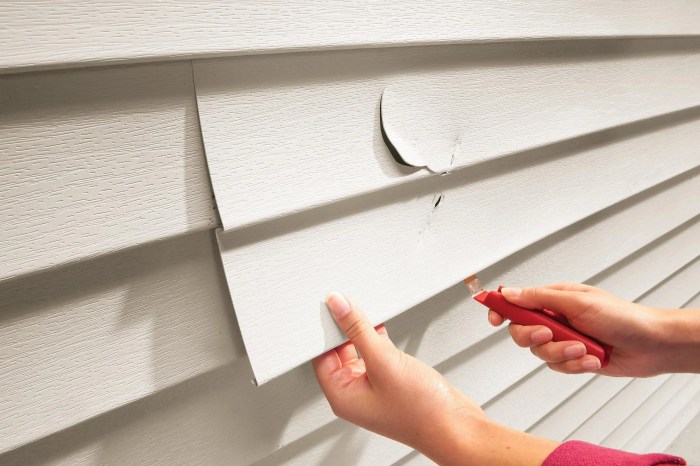
Minor damages to replacement vinyl siding, such as scratches or dents, can be easily repaired to maintain the overall appearance of your home.
- For small scratches, use a color-matched vinyl siding repair kit to fill in the damaged area.
- For dents, gently heat the affected area with a hairdryer to soften the vinyl, then use a heat-resistant block to push out the dent.
- If a panel is damaged beyond repair, consider replacing it with a new piece of siding to maintain a uniform look.
- Inspect your siding regularly for any signs of damage and address them promptly to prevent further issues.
Final Thoughts
In conclusion, replacement vinyl siding offers a cost-effective and visually appealing solution for homeowners looking to refresh their exteriors. From enhancing curb appeal to easy maintenance, this versatile option ticks all the boxes for a modern, stylish home.
Expert Answers
What are the most common types of replacement vinyl siding available?
Common types include horizontal, vertical, and shingle/shake styles.
How can I maintain the color of my replacement vinyl siding?
Regular cleaning with a mild detergent and water can help preserve the color.
What are the benefits of choosing replacement vinyl siding over other materials?
Benefits include durability, low maintenance, and a wide range of color options.