
Embark on a journey through the realm of power windows and siding, where modern technology meets aesthetic appeal in vehicles and homes. As we delve into the intricacies of these essential elements, prepare to discover the key factors that make them indispensable in today's world.
Delve into the nuances of power windows in vehicles and the transformative role of siding in elevating the charm of residential properties.
Importance of Power Windows and Siding
Power windows and siding play a crucial role in enhancing both the functionality and aesthetics of vehicles and homes, respectively.
Significance of Power Windows in Modern Vehicles
Power windows have become a standard feature in modern vehicles, offering convenience and safety to drivers and passengers. With just the push of a button, drivers can easily control the windows, enhancing the overall driving experience. Additionally, power windows provide added security by allowing the windows to be quickly closed in case of emergencies or theft attempts.
Role of Siding in Enhancing a Home’s Curb Appeal
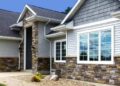
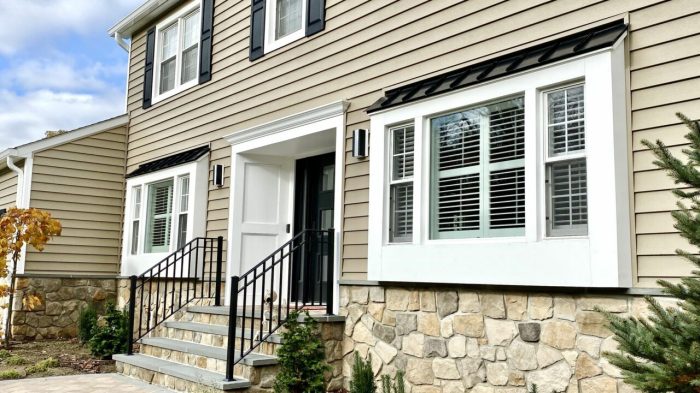
Siding is a key component of a home's exterior, contributing significantly to its curb appeal. Not only does siding enhance the visual appeal of a house, but it also provides protection against the elements, such as rain, wind, and sunlight.
By choosing the right siding material and design, homeowners can increase the value of their property and create a welcoming and attractive facade.
Convenience and Functionality of Power Windows and Siding
Both power windows and siding offer convenience and functionality in their respective domains. Power windows eliminate the need for manual window cranking, making it easier for drivers and passengers to adjust the windows as needed. Similarly, siding requires minimal maintenance compared to other exterior materials, providing long-lasting protection and aesthetic appeal to homes without constant upkeep.
Types of Power Windows
When it comes to power windows for vehicles, there are several types available, each with its own set of features and benefits. Let's take a look at some of the most common options:
1. Single Power Window System
A single power window system allows the driver or passenger to control the window of their respective side. This type of system is typically found in older vehicles or budget models.
2. Dual Power Window System
A dual power window system enables both the driver and front passenger to control their own windows independently. This is a more common setup in modern vehicles and provides convenience for both occupants.
3. Four-Window Power Window System
A four-window power window system allows control of all four windows in the vehicle. This type of system is usually found in higher-end vehicles or luxury models, offering maximum convenience for all passengers.
4. Automatic Power Window System
An automatic power window system includes features such as auto-up and auto-down functions, one-touch operation, and anti-pinch technology. This system adds an extra layer of convenience and safety for the users.
5. Express Up/Down Power Window System
The express up/down power window system allows the windows to be raised or lowered with just a quick press of a button, without the need to hold it down. This feature is handy for quick adjustments while driving.
Materials Used in Siding
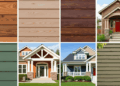
When it comes to siding for residential buildings, there are various materials to choose from. Each material has its own unique characteristics in terms of durability, maintenance requirements, aesthetic appeal, and insulation properties.
Vinyl Siding
Vinyl siding is one of the most popular choices for homeowners due to its affordability and low maintenance. It is durable, resistant to fading, and comes in a wide range of colors and styles. However, vinyl siding can crack or become brittle over time, especially in extreme weather conditions.
Fiber Cement Siding
Fiber cement siding is known for its durability and resistance to fire, insects, and rot. It can mimic the look of wood or stucco and requires minimal maintenance. However, it is heavier than other siding materials and may require professional installation.
Wood Siding
Wood siding offers a natural and timeless look that many homeowners desire. It can be painted or stained in various colors and finishes. However, wood siding is susceptible to rot, pests, and requires regular maintenance such as painting or staining to prevent weathering.
Aluminum Siding
Aluminum siding is lightweight, easy to install, and resistant to fire and insects. It is also recyclable, making it an eco-friendly option. However, aluminum siding may dent or scratch easily, requiring periodic maintenance to keep it looking its best
Brick Siding
Brick siding is a durable and low-maintenance option that offers excellent insulation properties. It is resistant to fire, pests, and rot, making it a long-lasting choice for homeowners. However, brick siding can be expensive to install compared to other materials.
Stone Veneer Siding
Stone veneer siding provides a luxurious and natural look to a home's exterior. It is lightweight, easy to install, and comes in a variety of styles and colors. However, stone veneer siding can be costly and may require professional installation for proper application.
Installation Process
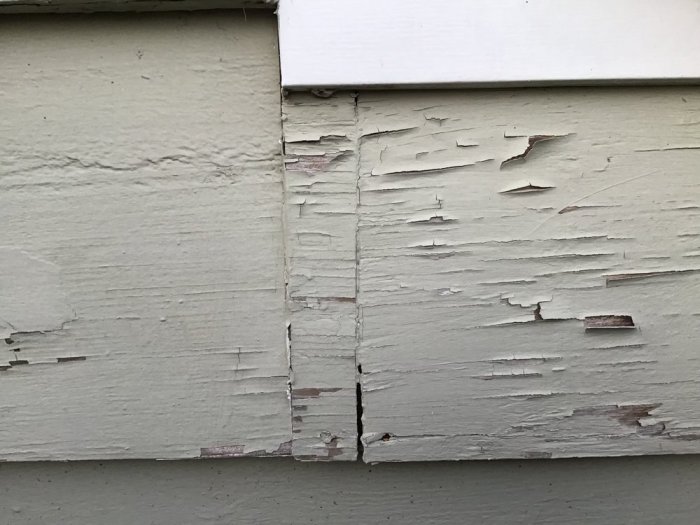
Installing power windows in a vehicle or siding on a house requires a systematic approach to ensure proper functionality and longevity. Below are the general steps involved in installing power windows in a vehicle and the procedures for installing siding on a house, along with tips for a successful installation.
Installing Power Windows in a Vehicle
- Remove the door panel to access the inner workings of the door.
- Disconnect the wiring harness and any mechanical components attached to the manual window regulator.
- Install the power window regulator and motor in place of the manual components.
- Connect the wiring harness to the new power window components.
- Test the power window to ensure it operates smoothly and efficiently.
Installing Siding on a House
- Clean the exterior walls of the house to ensure a smooth surface for installation.
- Measure and cut the siding material to fit the dimensions of the walls accurately.
- Attach the siding panels to the walls using the appropriate fasteners and techniques.
- Ensure proper alignment and overlap between siding panels for a seamless finish.
- Finish the installation by adding trim pieces and sealing any gaps or joints to prevent water infiltration.
Tips for Proper Installation
- Follow manufacturer's instructions carefully for both power windows and siding installation.
- Use the right tools and equipment for the job to avoid damage to the materials or components.
- Take accurate measurements and double-check before cutting or fastening any parts to prevent errors.
- Work methodically and patiently to ensure a clean and professional-looking installation.
- Consider hiring a professional installer for complex or large-scale projects to guarantee a high-quality result.
Final Wrap-Up
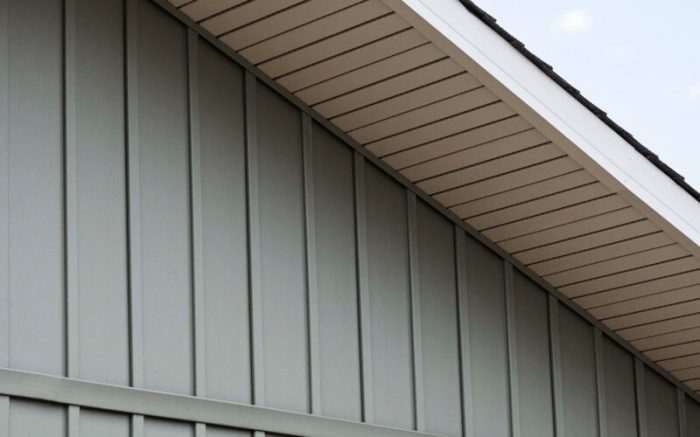
In conclusion, the fusion of power windows and siding not only enhances functionality and curb appeal but also reflects the evolving landscape of design and convenience. As we bid farewell to this exploration, remember the impact these features have on our daily lives and surroundings.
General Inquiries
What are the benefits of power windows in vehicles?
Power windows offer convenience, safety, and modernity, allowing easy operation and control for passengers.
How can I maintain siding materials effectively?
Regular cleaning and inspections can help maintain the durability and appearance of siding materials over time.
Are there eco-friendly options for power windows and siding?
Yes, there are sustainable materials and energy-efficient options available for both power windows and siding, promoting environmental consciousness.
What is the typical lifespan of power windows in vehicles?
The lifespan can vary based on usage and maintenance, but quality power windows can last for many years with proper care.