

As the real estate landscape continues to evolve, iBuyers have emerged as key players in the industry, reshaping how homes are bought and sold. This article delves into the world of iBuyers, exploring their impact and significance in today's market.
In the following sections, we will delve into the concept of iBuyers, their pros and cons, different business models they employ, and the overall impact they have on the real estate market.
What is an iBuyer?
An iBuyer, short for instant buyer, is a company that uses technology to make quick cash offers on homes. These companies streamline the home selling process by providing sellers with a fast and convenient way to sell their properties without the need for traditional real estate agents.
Concept of iBuyers in Real Estate
iBuyers operate by purchasing homes directly from sellers, typically in as-is condition, and then reselling them on the market. They leverage algorithms and data analysis to determine a fair market value for the properties they buy, allowing for swift transactions.
How iBuyers Operate in the Housing Market
- iBuyers use online platforms where sellers can input information about their homes to receive an instant offer.
- Once an offer is accepted, iBuyers conduct inspections to verify the property's condition.
- iBuyers charge service fees that are typically higher than traditional real estate agent commissions.
- After purchasing a property, iBuyers make necessary repairs or renovations before putting the home back on the market.
Key Features Distinguishing iBuyers from Traditional Homebuyers
- iBuyers offer speed and convenience, allowing sellers to close on their homes quickly without the hassle of showings and negotiations.
- Transparency is a key feature, as iBuyers provide sellers with clear offers and fees upfront.
- iBuyers focus on certain types of properties and markets, often targeting homes that are in good condition and located in desirable neighborhoods.
- Flexibility in closing dates is another distinguishing feature, as iBuyers allow sellers to choose when they want to close on the sale of their homes.
Pros and Cons of iBuyers
When considering selling a home, it's important to weigh the advantages and disadvantages of using an iBuyer service compared to traditional buyers.
Advantages of Selling to an iBuyer
- Quick Sale: iBuyers offer a fast and streamlined selling process, allowing homeowners to sell their property in a matter of days.
- Cash Offers: iBuyers typically provide cash offers, eliminating the need to wait for mortgage approvals or deal with financing contingencies.
- No Repairs Needed: iBuyers often purchase homes in as-is condition, saving sellers time and money on repairs and renovations.
Disadvantages of Using an iBuyer Service
- Lower Offers: iBuyers may offer lower sale prices compared to traditional buyers, as they factor in the costs of repairs and potential risks associated with the property.
- Fees and Commissions: iBuyers charge service fees and commissions that can eat into the final sale price, reducing the overall profit for the seller.
- Limited Market: iBuyers may have specific criteria for the properties they purchase, limiting the options for sellers in certain locations or property types.
Comparison of Selling to an iBuyer vs. Traditional Buyer
- Speed: iBuyers offer a faster selling process, while traditional buyers may take longer due to mortgage approvals and negotiations.
- Price: iBuyers may offer lower sale prices, but traditional buyers may negotiate for higher prices based on market conditions.
- Convenience: iBuyers provide a hassle-free selling experience, but traditional buyers may require more involvement from the seller in the process.
iBuyer Business Models
When it comes to iBuyer companies, they operate with distinct business models that set them apart in the real estate market. Let's explore the different approaches they take to make home selling more convenient for homeowners.
Different Approaches by iBuyer Companies
iBuyer companies have varying business models, each with its unique features and processes. Here are some popular iBuyer companies and how they operate:
- Opendoor:Opendoor uses advanced algorithms to determine home values and make instant offers to homeowners. They aim to streamline the selling process by buying homes directly from sellers, making necessary repairs, and then selling them on the market.
- Zillow Offers:Zillow Offers allows homeowners to request an offer online by providing details about their property. Zillow then evaluates the information provided and makes a cash offer to purchase the home. They also facilitate a quick closing process for added convenience.
- Offerpad:Offerpad offers flexible selling options to homeowners, allowing them to choose their closing date and other selling terms. They focus on providing a hassle-free experience by handling all the necessary paperwork and logistics involved in selling a home.
Determining Home Values and Making Offers
iBuyer companies employ various methods to determine home values accurately and make competitive offers to homeowners:
- Automated Valuation Models (AVMs):iBuyers use AVMs to analyze market data, property information, and other factors to estimate a home's value. These models help iBuyer companies make quick and data-driven offers to sellers.
- On-Site Inspections:Some iBuyers conduct on-site inspections or virtual assessments to verify the condition of the property and make more precise offers based on its current state.
- Comparative Market Analysis (CMA):iBuyers may also rely on CMAs to evaluate similar properties in the area and determine a competitive offer price that aligns with market trends and demand.
Impact of iBuyers on Real Estate Market
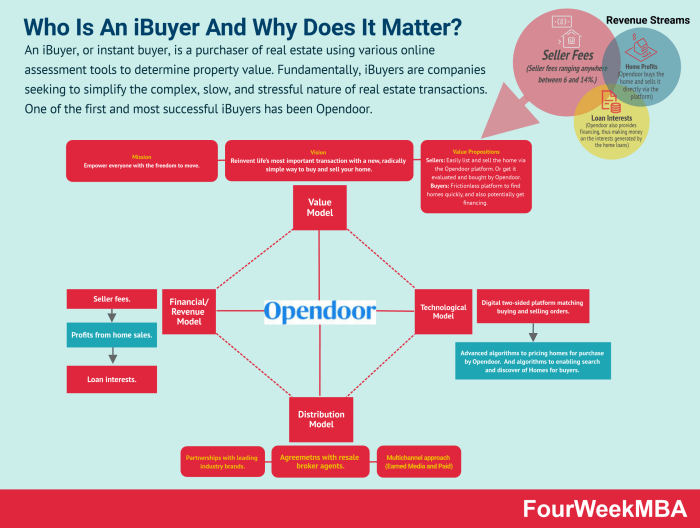
iBuyers have been disrupting the traditional real estate market with their innovative approach to buying and selling homes. Their presence has brought about significant changes in how real estate transactions are conducted, impacting various stakeholders in the industry.
Changing Real Estate Landscape
iBuyers have introduced a new way of buying and selling homes, leveraging technology and data analytics to streamline the process. This has challenged the traditional real estate model, where sellers list their homes on the market and wait for offers.
By offering quick and convenient transactions, iBuyers have forced traditional real estate agents to adapt to new ways of doing business and providing value to their clients.
Effects on Home Prices and Market Dynamics
The presence of iBuyers in the market has had mixed effects on home prices. While they offer speed and convenience, they may not always provide the best price for sellers. This can impact the overall pricing dynamics in local markets.
Additionally, the quick turnaround time of iBuyers can lead to fluctuations in inventory levels and affect the overall supply and demand balance in the real estate market.
Impact on Sellers, Buyers, and Real Estate Agents
iBuyers offer sellers a fast and hassle-free way to sell their homes, but this convenience comes at a cost. Sellers may have to accept a lower price for the sake of speed and convenience.
Buyers, on the other hand, have more options available to them with the presence of iBuyers, but they may need to compete with these companies for desirable properties.
Real estate agents are also affected by the rise of iBuyers, as they must find ways to differentiate themselves and provide value beyond what iBuyers offer. This can lead to changes in how real estate agents operate and provide services to their clients.
Closing Notes

In conclusion, iBuyers have revolutionized the real estate sector, offering a convenient alternative for homeowners looking to sell quickly. Whether you're considering selling to an iBuyer or a traditional buyer, understanding the dynamics of this evolving market is crucial in making informed decisions.
Popular Questions
What is an iBuyer?
An iBuyer is a company that uses technology to make quick cash offers on homes, aiming for a fast and convenient selling process.
How do iBuyers determine home values?
iBuyers typically use automated valuation models (AVMs) combined with local market data to assess the value of a home.
What are the advantages of selling to an iBuyer?
Selling to an iBuyer can offer speed, convenience, and certainty of sale without the need for repairs or staging.
How are iBuyers changing the traditional real estate landscape?
iBuyers are introducing new methods of buying and selling homes, impacting market dynamics and challenging traditional real estate norms.