
Exploring the world of house siding painting cost, this article delves into the various factors that influence pricing, compares different siding materials, and provides tips to reduce costs. From material type to labor expenses, get ready to uncover everything you need to know about painting your house siding.
Factors influencing house siding painting cost
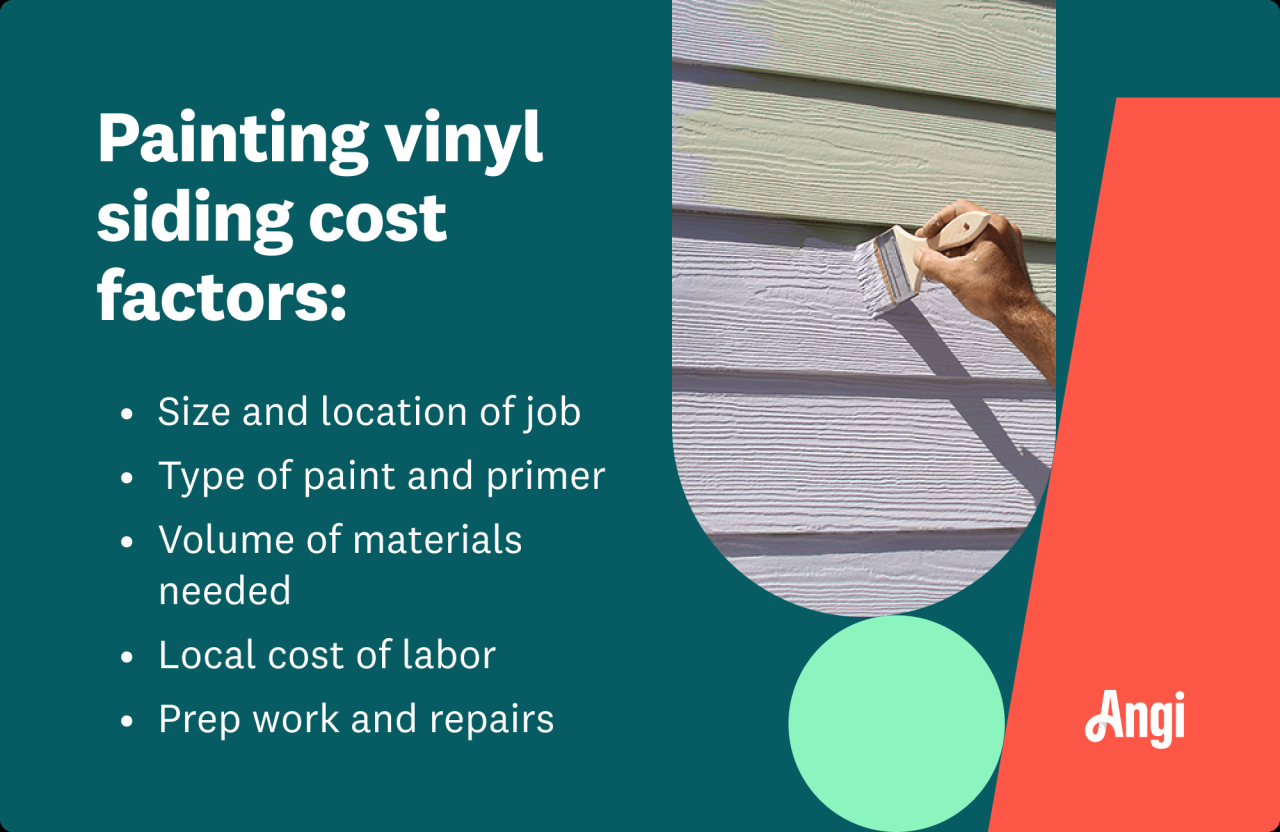
When it comes to painting house siding, several factors can influence the overall cost. Understanding these factors can help homeowners budget effectively and make informed decisions.
Material Type
The type of material used for the siding can significantly impact the cost of painting. For example, painting wood siding may require more preparation and maintenance compared to vinyl siding, thus affecting the overall cost.
Square Footage
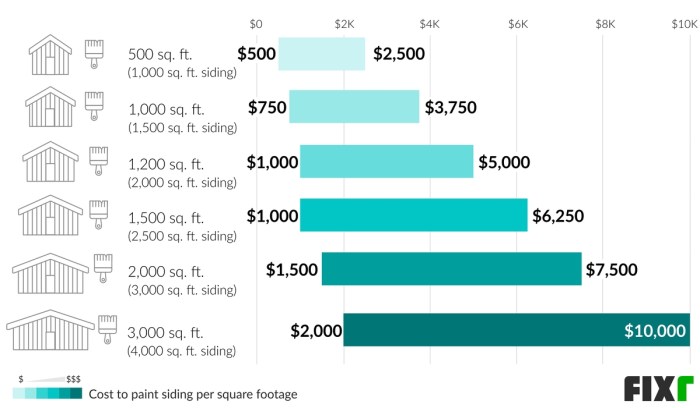
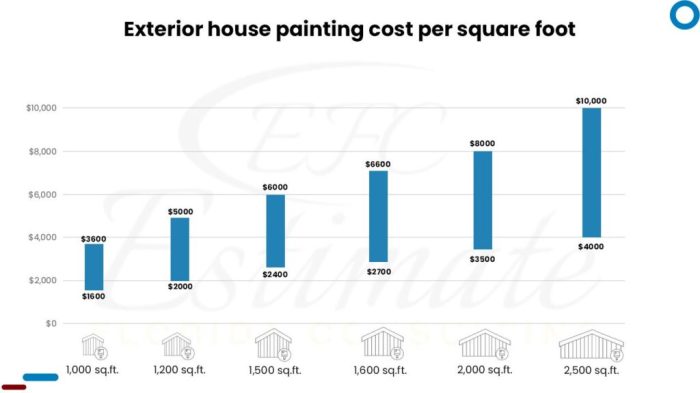
The size of the house and the total square footage of the siding to be painted will directly affect the cost. Larger homes with more extensive siding will naturally cost more to paint than smaller homes with less surface area to cover.
Labor Costs
Labor costs play a crucial role in determining the total cost of painting house siding. Factors such as the complexity of the job, the number of laborers required, and the time needed to complete the project can all impact labor costs.
Additional Services
Additional services such as pressure washing, caulking, and priming may be necessary before painting the siding. These extra services can add to the overall cost but are essential for achieving a high-quality, long-lasting finish.
Condition of Existing Siding
The condition of the existing siding can also influence the painting cost. If the siding is damaged or requires extensive repairs, this will increase the overall cost of the project. Properly preparing the surface before painting is crucial for a durable and professional-looking result.
Cost comparison of various siding materials
When it comes to painting the siding of your house, the choice of material can greatly impact the overall cost. Let's compare the painting costs of different siding materials such as vinyl, wood, fiber cement, and metal, taking into account factors like maintenance requirements, durability, and lifespan.
1. Vinyl Siding
Vinyl siding is one of the most cost-effective options when it comes to painting. It requires minimal maintenance, usually only needing a good cleaning once a year. The paint on vinyl siding tends to last longer due to the material's resistance to fading and peeling.
While the upfront cost of vinyl siding may be lower, it is important to consider the long-term painting costs.
2. Wood Siding
Wood siding can be more expensive to paint compared to vinyl due to the additional maintenance required. Wood siding needs to be repainted every 3-7 years, depending on the climate and exposure to the elements. The cost of painting wood siding can add up over time, making it a higher maintenance option compared to vinyl.
3. Fiber Cement Siding
Fiber cement siding is known for its durability and low maintenance requirements, making it a cost-effective option for painting. The paint on fiber cement siding tends to last longer than wood and may only need to be repainted every 10-15 years.
While the upfront cost of fiber cement siding may be higher, the long-term painting costs are generally lower.
4. Metal Siding
Metal siding is another low-maintenance option when it comes to painting. The paint on metal siding is known for its durability and resistance to fading, reducing the need for frequent repainting. While the initial cost of metal siding may be higher, the long-term painting costs are typically lower compared to wood siding.
Average cost range for house siding painting

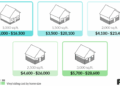
Painting house siding can vary in cost depending on various factors. On average, homeowners can expect to pay between $1,800 and $4,500 for professional house siding painting services. This cost typically includes labor, materials, and any necessary prep work.
Cost Breakdown
- Basic vinyl siding: $1,000 - $3,000
- Wood siding: $2,500 - $7,000
- Fiber cement siding: $3,000 - $6,000
- Brick siding: $3,000 - $8,000
Note: These are average national costs and can vary based on location and project complexity.
DIY vs. Professional Painting
While some homeowners may opt to paint their house siding themselves to save money, it's essential to consider the quality of the job and potential additional costs. DIY painting can range from $500 to $2,000, depending on the materials and tools needed.
However, hiring a professional contractor ensures a high-quality finish and can prevent costly mistakes in the long run.
Tips for reducing house siding painting costs
When it comes to painting your house siding on a budget, there are several cost-saving tips that homeowners can consider. Proper maintenance is key to reducing the frequency of repainting, and choosing cost-effective paint options can help save money without compromising quality.
Regular Maintenance
Proper maintenance of your house siding, such as cleaning, repairing any damage, and applying a protective coating, can help extend the lifespan of the paint job. By keeping your siding in good condition, you can reduce the need for frequent repainting, ultimately saving on costs in the long run.
Choose Quality Paint
While it may be tempting to opt for cheaper paint options, choosing quality paint can actually save you money in the long term. High-quality paint tends to last longer, requiring fewer touch-ups and repaints over time. Look for paint that offers good coverage and durability to ensure that your house siding stays looking fresh for longer.
DIY vs. Hiring a Professional
Another way to reduce house siding painting costs is to consider whether to tackle the project yourself or hire a professional. While painting your siding yourself can save on labor costs, keep in mind that DIY projects may require more time and effort.
On the other hand, hiring a professional may ensure a quicker and more efficient job, potentially saving you money in the long run by avoiding mistakes or the need for touch-ups.
Compare Quotes
Before starting your house siding painting project, it's a good idea to get quotes from multiple contractors or suppliers. By comparing prices and services, you can find the best deal that fits your budget. Don't forget to inquire about any discounts, promotions, or package deals that may help lower the overall cost of the project.
Final Conclusion
In conclusion, understanding the nuances of house siding painting cost is essential for homeowners embarking on this project. By considering the factors, comparing materials, and implementing cost-saving tips, you can effectively manage and optimize your painting expenses. Dive into the world of house siding painting with confidence and make informed decisions for your home improvement endeavors.
Question & Answer Hub
What factors can influence the cost of house siding painting?
Factors like material type, square footage, labor costs, existing siding condition, and repair needs can impact the overall painting cost.
How do the costs of different siding materials compare?
Vinyl, wood, fiber cement, and metal siding materials have varying painting costs based on maintenance requirements, durability, and lifespan.
What is the average cost range for house siding painting?
The average cost varies nationally and regionally, depending on project complexity. DIY painting can be cheaper than hiring a professional contractor.
What are some tips for reducing house siding painting costs?
Homeowners can save costs by proper maintenance, choosing cost-effective paint, and understanding how it impacts the frequency of repainting.