

In the realm of exterior design, the key ingredient to a stunning outdoor space lies in the application of exterior wood stain. This essential element not only enhances the natural beauty of wood but also provides crucial protection against the elements.
Let's delve into the world of exterior wood stain and uncover the secrets to transforming your outdoor surfaces.
As we explore the various types, application techniques, and maintenance tips, you'll gain valuable insights into creating a durable and visually appealing finish for your wood surfaces.
Understanding Exterior Wood Stain
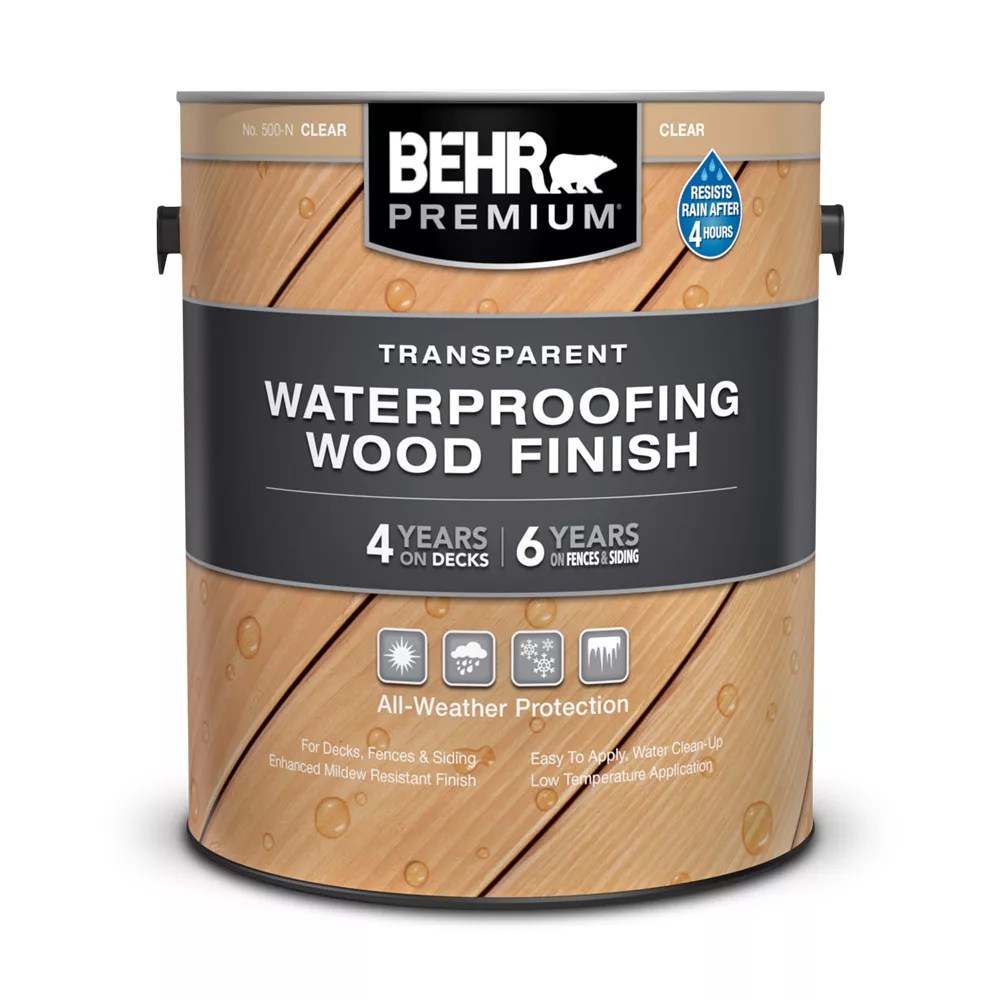
Exterior wood stain serves as a protective coating for outdoor wooden surfaces, enhancing their durability and appearance.
Types of Exterior Wood Stains
- Semi-transparent: Allows the natural grain of the wood to show through while providing moderate protection against UV rays and moisture.
- Solid: Offers a more opaque finish, ideal for hiding imperfections in the wood and providing high protection against weather elements.
- Clear: Provides minimal protection, mainly enhancing the natural beauty of the wood without altering its color significantly.
Benefits of Using Exterior Wood Stain
Using exterior wood stain on outdoor surfaces offers various advantages:
- Protects against UV rays: Helps prevent fading and discoloration of the wood caused by exposure to sunlight.
- Waterproofing: Creates a barrier that repels water, preventing moisture damage such as rot and mold.
- Enhances aesthetics: Adds color, depth, and sheen to the wood, improving its overall appearance.
- Increases longevity: Extends the lifespan of the wood by protecting it from weathering and wear.
Preparation for Staining
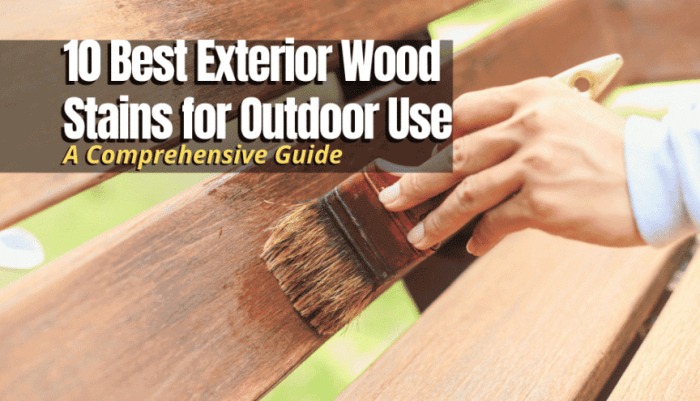
Before applying wood stain, proper preparation is essential to ensure a successful and long-lasting finish.
Cleaning the Surface
It is crucial to clean the wood surface thoroughly before staining. Any dirt, dust, or debris left on the wood can interfere with the stain's ability to penetrate evenly.
- Begin by sweeping or vacuuming the surface to remove loose dirt and debris.
- Use a wood cleaner or mild detergent mixed with water to scrub the surface and remove any grime or grease.
- Rinse the wood thoroughly with clean water and allow it to dry completely before moving on to the next step.
Sanding the Wood
Sanding the wood is important to create a smooth surface for the stain to adhere to and ensure a professional-looking finish.
- Start with a coarse-grit sandpaper to remove any rough spots, imperfections, or old finish on the wood.
- Gradually switch to finer-grit sandpaper to smooth out the surface and prepare it for staining.
- Always sand in the direction of the wood grain to avoid causing any damage or scratches.
- After sanding, make sure to wipe down the wood with a tack cloth to remove any dust particles before applying the stain.
Application Techniques
When it comes to applying exterior wood stain, there are several techniques you can use to achieve a beautiful and long-lasting finish. Each method has its own advantages and it's important to choose the one that best suits your project.
Brush
Using a brush is a traditional and popular method for applying wood stain. It allows for precise control over the application, making it ideal for detailed work or smaller projects. Brushes are also easy to clean and reuse, making them a cost-effective option.
Roller
A roller is a quick and efficient way to apply wood stain to larger areas. It covers a lot of surface area in a short amount of time, making it perfect for decks or fences. However, rollers may not provide the same level of control as a brush, especially in tight corners or intricate designs.
Sprayer
Sprayers are a fast and even way to apply wood stain to large surfaces. They can save you time and effort, especially on large projects like siding or outdoor furniture. However, sprayers can be messy and may require more cleanup compared to brushes or rollers.To achieve an even and consistent finish when applying wood stain, consider the following tips:
- Stir the stain thoroughly before and during application to ensure a consistent color.
- Work in small sections to prevent the stain from drying too quickly and causing lap marks.
- Apply the stain in the direction of the wood grain to avoid streaks and ensure proper absorption.
- Wipe off any excess stain with a clean cloth to prevent drips and uneven patches.
- Allow the stain to dry completely before applying additional coats for a more durable finish.
Experiment with different application techniques to find the one that works best for your project and remember to follow the manufacturer's instructions for the best results.
Maintenance and Care
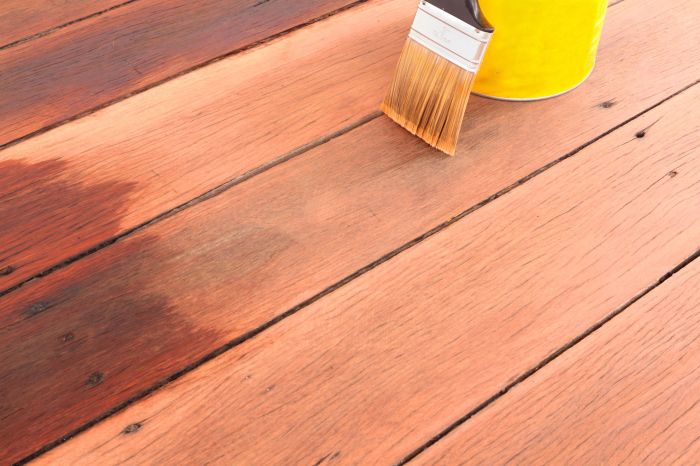
Maintaining exterior wood surfaces after staining is crucial to ensure the longevity and beauty of the wood. Regular care and maintenance can help protect the wood from damage and keep it looking great for years to come. Here are the necessary steps for maintaining exterior wood surfaces after staining:
Re-Staining Frequency
- It is recommended to re-stain exterior wood surfaces every 2-3 years to maintain optimal protection. However, this may vary depending on the type of wood, exposure to weather elements, and the quality of the initial stain application.
- Inspect the wood surface annually to check for signs of wear, fading, or damage. If the stain is no longer providing adequate protection, it may be time to re-stain the wood.
- Regularly clean the stained wood surface with a mild detergent and water to remove dirt, dust, and debris that can accumulate over time.
Protection from Weather Elements and UV Damage
- Apply a clear UV-resistant top coat over the stained wood surface to provide additional protection against UV rays, which can cause the stain to fade and the wood to deteriorate.
- Consider using a water-repellent wood preservative to protect the wood from moisture, mold, and mildew. This can help prevent rot and decay, extending the lifespan of the wood.
- Regularly inspect the wood surface for any signs of damage, such as cracking, peeling, or discoloration. Address any issues promptly to prevent further damage and maintain the integrity of the stained wood.
Closure
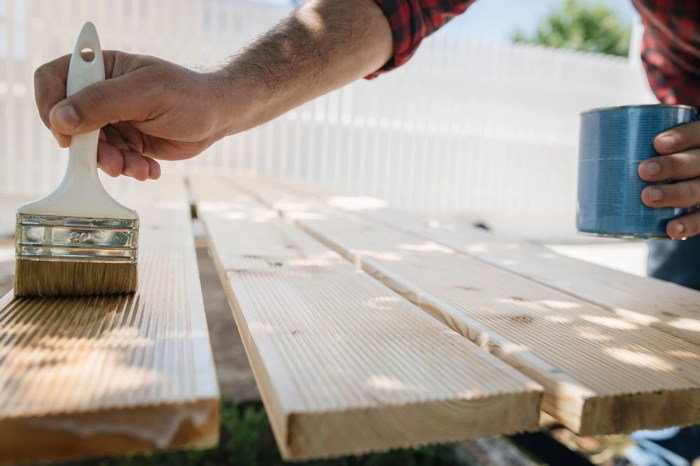
In conclusion, a well-maintained exterior wood stain not only elevates the aesthetics of your outdoor space but also prolongs the lifespan of your wooden surfaces. By understanding the nuances of staining, preparation, application, and maintenance, you can ensure that your outdoor areas remain a picturesque haven for years to come.
Popular Questions
How often should I re-stain my exterior wood surfaces?
It is recommended to re-stain your exterior wood surfaces every 2-3 years to maintain optimal protection and appearance.
What are the benefits of using exterior wood stain?
Exterior wood stain not only enhances the natural beauty of wood but also provides protection against UV damage, moisture, and other outdoor elements.