

Exploring the intricate world of bag design, this guide delves into the essential elements, popular trends, sustainability practices, and innovative technologies that shape the industry. Get ready to uncover the artistry and functionality behind every bag creation.
Bag Design Elements
When it comes to designing a bag, there are several key elements that designers need to consider in order to create a functional and visually appealing product. These elements include shape, size, material, and color, all of which play a crucial role in determining the overall look and usability of the bag.
Shape
The shape of a bag can greatly impact its functionality and aesthetic appeal. For example, a tote bag with a square shape may be more structured and suitable for carrying larger items, while a crossbody bag with a more rounded shape may be more casual and versatile for everyday use.
Size
The size of a bag is another important element to consider, as it determines how much can be carried and how the bag will fit with different outfits or occasions. A small clutch bag may be perfect for a night out, while a spacious backpack may be more practical for traveling or carrying work essentials.
Material
The material of a bag not only affects its durability but also its overall look and feel. Leather, for example, is a classic choice that exudes luxury and sophistication, while canvas is more casual and versatile. Designers must carefully choose the right material to complement the design and intended use of the bag.
Color
Color plays a significant role in the overall design of a bag, as it can evoke different emotions and make a statement. Bright colors like red or yellow may add a pop of color and make the bag stand out, while neutral tones like black or beige are timeless and versatile.
Designers often consider current trends and target audience preferences when selecting the color palette for a bag.Incorporating these design elements is essential for creating a bag that is not only visually appealing but also functional and practical for everyday use.
By carefully considering shape, size, material, and color, designers can ensure that their bags meet the needs and preferences of consumers while making a style statement.
Popular Bag Design Trends
When it comes to bag design, staying updated with the latest trends is essential. Let's take a look at the current popular bag design trends across various categories.
Fashion Bags
Designer fashion bags have been incorporating more sustainable materials and innovative textures in their designs to appeal to eco-conscious consumers. Bold colors, unique shapes, and oversized logos are also prevalent in fashion bag trends.
Travel Bags
In the realm of travel bags, multifunctional designs that offer versatility and convenience are gaining popularity. Anti-theft features, lightweight materials, and smart compartments for tech gadgets are key trends in travel bag design.
Sports Bags
Sports bags are now blending style with functionality, with water-resistant materials, ergonomic straps, and ventilation systems being common features. Customization options and collaborations with athletes or sports brands are also shaping the trends in sports bag design.
Sustainable Bag Design
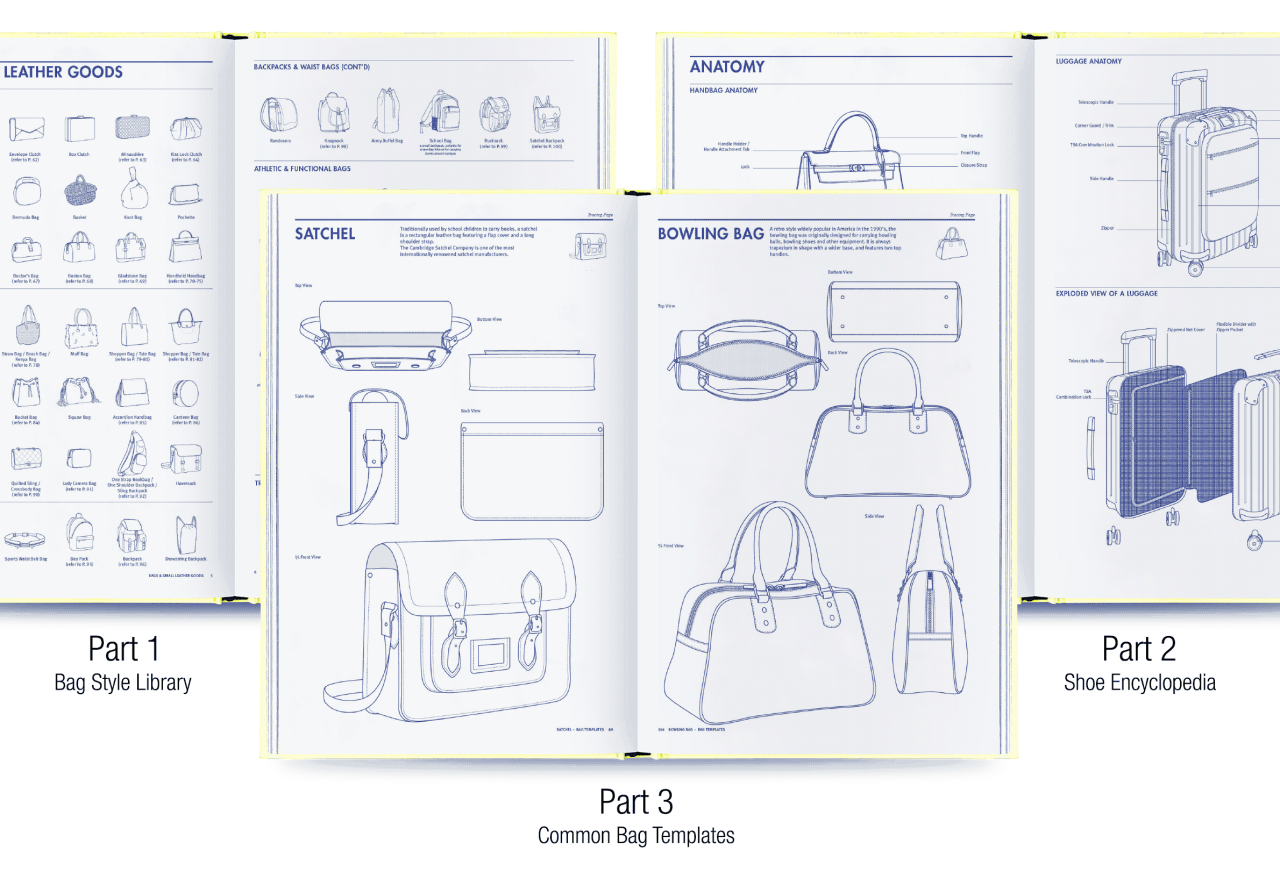
Sustainable bag design focuses on creating products that have minimal impact on the environment throughout their lifecycle. This includes using eco-friendly materials, reducing waste in the manufacturing process, and ensuring durability for long-term use.
Sustainable Materials and Manufacturing Processes
Sustainable materials commonly used in bag design include organic cotton, recycled polyester, hemp, cork, and upcycled materials like old tires or plastic bottles. These materials require less energy and resources to produce compared to traditional materials, making them more environmentally friendly.
Manufacturing processes for sustainable bags often involve techniques like zero-waste pattern cutting, where fabric is strategically placed to minimize waste. Additionally, some brands prioritize ethical labor practices and fair wages for workers to promote social sustainability.
Influence on Consumer Behavior and Market Demand
Sustainable design practices can influence consumer behavior by appealing to environmentally conscious individuals. As more people become aware of the environmental impact of their purchasing decisions, there is a growing demand for sustainable products, including bags. Brands that prioritize sustainability in their designs can attract a loyal customer base that values eco-friendly practices.
This shift in consumer preferences towards sustainability has led to an increase in the market demand for sustainable bags, prompting more brands to incorporate eco-friendly elements into their product lines.
Innovative Bag Design Technologies
In the ever-evolving world of bag design, technological advancements have played a crucial role in pushing the boundaries of creativity and functionality. From 3D printing to smart fabrics and IoT integration, these innovations have revolutionized the way bags are designed and produced, leading to a new era of possibilities.
3D Printing in Bag Design
D printing has transformed the way bags are manufactured, allowing designers to create intricate and complex shapes that were previously impossible with traditional methods. This technology enables customization on a whole new level, with the ability to tailor bags to specific needs and preferences.
The result is not only visually stunning designs but also increased efficiency in production processes.
Smart Fabrics and Materials
The integration of smart fabrics and materials in bag design has brought a new level of functionality and versatility. These materials can offer features such as water resistance, temperature regulation, and even self-healing properties, enhancing the durability and performance of bags.
Additionally, smart fabrics can be used to incorporate technology seamlessly, such as charging ports for electronic devices or LED lighting for visibility in low-light conditions.
IoT Integration in Bags
The Internet of Things (IoT) has made its way into the world of bag design, enabling a whole new level of connectivity and convenience. Bags can now be equipped with sensors that track location, monitor contents, or even provide alerts for forgotten items.
This integration not only enhances the functionality of bags but also adds a layer of security and peace of mind for users.
Last Point
In conclusion, bag design is a dynamic field where creativity meets practicality. By understanding the elements, trends, sustainability, and technologies involved, one can truly appreciate the craftsmanship behind every bag. Embrace the fusion of style and functionality in the world of bag design.
FAQ Section
What elements make up a bag design?
Bag design elements include shape, size, material, and color, all of which play a crucial role in the overall aesthetics and functionality of a bag.
How do cultural influences shape popular bag designs?
Cultural influences can impact popular bag designs by inspiring unique patterns, materials, and styles that resonate with specific regions or traditions.
What is sustainable bag design?
Sustainable bag design focuses on using eco-friendly materials and manufacturing processes to minimize environmental impact and promote ethical practices.
What are some innovative bag design technologies?
Innovative bag design technologies include 3D printing, smart fabrics, and IoT integration, which have revolutionized functionality, durability, and aesthetics in bag production.