
Embark on a journey through the realm of modern wood siding houses, where traditional materials meet sleek design for a unique architectural experience. Discover the allure of wood siding in contemporary construction and explore renowned examples that showcase its versatility and charm.
Delve deeper into the various types of wood siding materials, design features that define these modern structures, and the essential aspects of installation and maintenance.
Introduction to Modern Wood Siding Houses
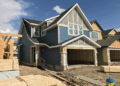
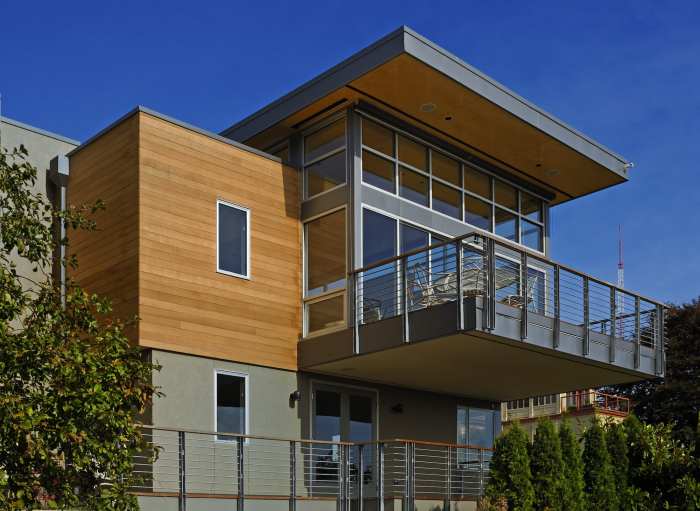
Modern wood siding houses combine the classic warmth and beauty of wood with contemporary design elements, creating a unique and stylish look for residential buildings.
The popularity of using wood siding in modern architecture can be attributed to its versatility, sustainability, and aesthetic appeal. Wood siding provides a natural and organic feel to the exterior of a house, blending seamlessly with the surrounding environment. Additionally, wood is a renewable resource, making it a more environmentally friendly choice compared to other building materials.
Examples of Famous Modern Wood Siding Houses
- Finnis Architects' Shadow House in Melbourne, Australia, showcases a stunning blend of wood siding and glass, creating a contemporary and inviting facade.
- The Berkshire House in Great Barrington, Massachusetts, designed by Hufft, features a modern interpretation of a traditional farmhouse with a striking exterior clad in wood siding.
- Canadian architect Acre Architects' Cabin A rests on the scenic shores of Lake Winnipeg, boasting a minimalist design with wood siding that harmonizes with the natural landscape.
Types of Wood Siding Materials
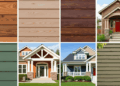
Wood siding materials offer a timeless and natural aesthetic to modern houses. Different types of wood are used for siding, each with unique characteristics and sustainability aspects.
Cedar
Cedar is a popular choice for wood siding due to its natural resistance to decay and insects. It is lightweight, easy to work with, and offers a beautiful grain pattern. However, cedar siding requires regular maintenance to preserve its appearance and longevity.
Pine
Pine is a more affordable option for wood siding, but it is less durable compared to cedar. It is prone to rot and insect damage if not properly treated and maintained. Pine siding can be stained or painted to achieve different looks.
Redwood
Redwood is a high-end option for wood siding known for its durability and natural resistance to decay. It has a rich color and straight grain pattern, making it a sought-after choice for upscale homes. However, redwood siding comes with a higher price tag.
Reclaimed Wood
Reclaimed wood siding is an environmentally friendly option that gives a rustic and unique look to modern homes. It is sourced from old barns, factories, or other structures, adding character and history to the property. Using reclaimed wood promotes sustainability by reducing the demand for new timber.
Sustainability
While wood siding materials offer a natural and eco-friendly option for modern houses, it is essential to consider the sustainability aspect. Opting for certified sustainable wood sources or reclaimed wood can help reduce the environmental impact of using timber for siding.
Proper maintenance and finishing can also extend the lifespan of wood siding, reducing the need for frequent replacements and minimizing waste.
Design Features of Modern Wood Siding Houses
Wood siding is a popular choice for modern homes due to its versatility and aesthetic appeal. Let's explore the design features that make modern wood siding houses stand out.Wood siding can enhance the aesthetic appeal of a modern home by adding warmth, texture, and natural beauty to the exterior.
The variation in wood grains and colors can create a unique and custom look that complements the overall design of the house.
Architectural Elements in Modern Wood Siding Houses
- Vertical or horizontal siding orientation
- Mixing different wood species for a dynamic look
- Board and batten siding for a modern farmhouse aesthetic
- Shiplap siding for a clean and contemporary feel
Flexibility of Design Options
- Painting or staining wood siding to match any color scheme
- Combining wood siding with other materials like metal or stucco for a modern contrast
- Using wood siding in varying widths and profiles for a customized look
- Creating geometric patterns or accents with wood siding for a modern architectural detail
Installation and Maintenance of Wood Siding
Proper installation and maintenance are essential to ensure the longevity and beauty of wood siding on your house.
Installing Wood Siding
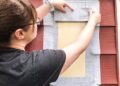
Here is a step-by-step guide on how to install wood siding on a house:
- Prepare the surface: Make sure the surface is clean, smooth, and properly waterproofed.
- Measure and cut the siding: Measure each piece of siding accurately and cut them to fit the dimensions of your house.
- Start at the bottom: Begin installing the siding at the bottom of the wall, working your way up.
- Overlap properly: Ensure each piece of siding overlaps the previous one correctly to prevent water infiltration.
- Nail securely: Use corrosion-resistant nails to securely attach the siding to the wall.
- Finish with trim: Complete the installation by adding trim pieces around windows, doors, and corners.
Maintaining Wood Siding
Best practices for maintaining wood siding include:
- Regular cleaning: Wash the siding with a mild detergent and water to remove dirt and grime.
- Inspect for damage: Periodically check for any signs of damage, such as cracks or peeling paint, and repair them promptly.
- Protect from moisture: Ensure the siding is properly sealed and painted to protect it from moisture infiltration.
- Apply a protective finish: Consider applying a protective finish or stain to enhance the durability of the wood.
Protecting Wood Siding
To protect wood siding from common issues like rot and pests:
- Regular inspections: Inspect the siding regularly for any signs of rot or pest infestation.
- Address moisture issues: Fix any leaks or drainage problems that can lead to moisture buildup and rot.
- Use insecticides: Apply insecticides or sealants to prevent pests from damaging the wood.
Final Wrap-Up
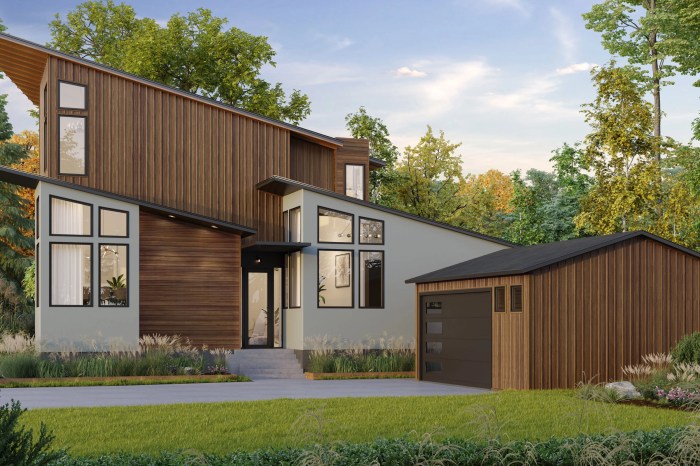
In conclusion, modern wood siding houses offer a blend of natural beauty and modern aesthetics, creating homes that stand out for their elegance and sustainability. Whether you're drawn to the classic appeal of wood or the innovative design possibilities it presents, these houses embody a harmonious balance between tradition and innovation.
FAQ Summary
How long does wood siding typically last?
With proper maintenance, wood siding can last anywhere from 20 to 40 years, depending on the type of wood and climate conditions.
Is wood siding environmentally friendly?
Wood siding is considered a sustainable choice as it is a renewable resource and has a lower carbon footprint compared to other building materials.
Can wood siding be painted or stained?
Yes, wood siding can be painted or stained to achieve different looks and protect the wood from the elements.