
Embarking on the journey of loose aluminum siding repair, this introduction sets the stage for a deep dive into the intricacies of fixing this common issue. With a focus on detail and practicality, readers will find valuable insights to address loose aluminum siding problems effectively.
Exploring the nuances of inspection, repair methods, materials, safety precautions, and maintenance tips will equip you with the knowledge needed to tackle loose aluminum siding issues head-on.
Understanding Loose Aluminum Siding Repair
Loose aluminum siding refers to panels or sheets of aluminum that have become detached or loosened from the exterior of a building or structure. This can lead to gaps, exposed areas, or potential water damage if left unattended.
Common Causes of Loose Aluminum Siding
- Improper Installation: If the aluminum siding was not installed correctly, it may become loose over time due to the lack of secure fastening.
- Age and Wear: As aluminum siding ages, it can become more susceptible to loosening, especially in areas with harsh weather conditions.
- Impact Damage: Accidental impact from objects or debris can cause aluminum siding to become loose or dislodged.
The Importance of Timely Repair for Loose Aluminum Siding
Timely repair of loose aluminum siding is crucial to prevent further damage and maintain the structural integrity of the building. Failure to address loose siding promptly can lead to water infiltration, mold growth, and even structural issues. By addressing the problem early on, homeowners can avoid costly repairs in the future and ensure the longevity of their aluminum siding.
Inspection and Assessment
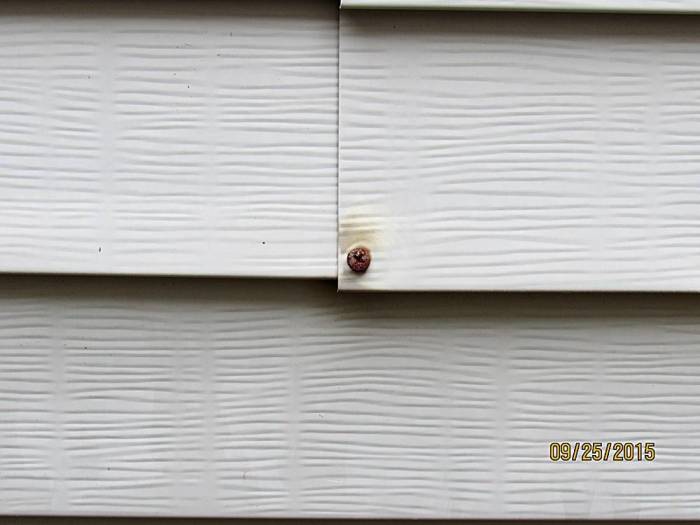
When it comes to inspecting loose aluminum siding for damage, a thorough assessment is key to identifying issues and determining the necessary repairs. By examining key areas and using the right tools, you can ensure that the repair process is effective and long-lasting.
Areas to Check for Damage
- Start by inspecting the bottom edges of the siding panels, as these are more prone to damage from moisture and debris.
- Check the corners and seams where panels meet, as these areas can be vulnerable to gaps or separation.
- Examine the top edges of the siding panels to look for signs of lifting or warping.
- Inspect the fasteners and nails holding the siding in place, as loose or missing fasteners can cause the siding to detach.
Tools Needed for Assessment
- A ladder to reach high areas of the siding for a closer inspection.
- A rubber mallet to gently tap on siding panels and detect any loose or hollow areas.
- A pry bar to carefully remove siding panels for a more thorough assessment of the underlying structure.
- A flashlight to illuminate dark or hidden areas where damage may be present.
Repair Methods
When it comes to repairing loose aluminum siding, there are several techniques you can use to ensure a lasting fix. From simple temporary solutions to more permanent fixes, it's essential to choose the right method based on the extent of the damage.
Temporary Fixes
- One common temporary fix for loose aluminum siding is to use caulking or sealant to reattach the loose panels. This method can provide a quick solution but may not be long-lasting.
- Another temporary fix is to use screws or nails to secure the loose panels back in place. While this method can be effective, it may not address the underlying issue causing the siding to come loose.
Permanent Solutions
- A more permanent solution for repairing loose aluminum siding is to replace the damaged panels entirely. This involves removing the old siding and installing new panels to ensure a secure fit.
- Another permanent solution is to reinforce the siding with additional support, such as braces or clips, to prevent future loosening. This method can help strengthen the siding and prevent further damage.
Materials and Tools
When it comes to repairing loose aluminum siding, having the right materials and tools is crucial for a successful repair job. Here we will discuss the essential materials required, the role of each material in the repair process, and the importance of using proper tools for the job.
Essential Materials Required:
- Aluminum Siding Panels: These panels are the main component of the siding that needs to be repaired or replaced.
- Screws or Nails: Used to secure the siding panels back in place.
- Primer and Paint: To touch up the repaired areas and ensure a seamless finish.
- Caulk or Sealant: Helps to seal any gaps or joints to prevent water infiltration.
Role of Each Material:
- Aluminum Siding Panels: Provide the structure and aesthetic appeal of the siding.
- Screws or Nails: Secure the siding panels to the structure of the building.
- Primer and Paint: Protect the repaired areas from corrosion and weather damage.
- Caulk or Sealant: Prevent water damage and maintain the integrity of the siding.
Importance of Using Proper Tools:
- Siding Removal Tool: Helps to safely and efficiently remove damaged siding panels.
- Hammer: Used to drive in screws or nails securely.
- Caulking Gun: Ensures precise application of caulk or sealant.
- Paintbrush or Roller: For applying primer and paint to the repaired areas.
Safety Precautions
When it comes to repairing loose aluminum siding, safety should always be a top priority. Taking the necessary precautions can help prevent accidents and injuries during the repair process
Potential Hazards and How to Avoid Them
- Sharp Edges: Aluminum siding panels can have sharp edges that may cause cuts or injuries. Wear protective gloves while handling the siding to avoid cuts.
- Falling Objects: Loose siding panels or tools left unsecured can fall and cause injuries. Always secure loose panels and tools properly before starting the repair.
- Ladder Safety: When working at heights to repair siding, make sure to use a sturdy ladder placed on stable ground. Avoid overreaching and always have someone nearby to assist if needed.
- Electrical Hazards: Be aware of any electrical wires or outlets near the repair area. Ensure power tools are used safely and keep them away from wet surfaces to prevent electrical shocks.
- Weather Conditions: Avoid working on aluminum siding repairs during windy or rainy conditions to prevent accidents or damage. Wait for favorable weather before starting the repair.
Tips for Staying Safe During the Repair Process
- Wear Personal Protective Equipment: Always wear safety goggles, gloves, and sturdy footwear to protect yourself from potential hazards.
- Work with a Partner: Having someone assist you during the repair process can provide an extra layer of safety in case of emergencies.
- Follow Instructions: Read and follow the manufacturer's guidelines for repairing aluminum siding to ensure safe and effective repairs.
- Keep Work Area Clean: Clear any debris or obstacles from the work area to prevent tripping hazards and maintain a safe environment.
- Take Breaks: Don't overexert yourself during the repair process. Take regular breaks to prevent fatigue and maintain focus on safety.
Maintenance Tips
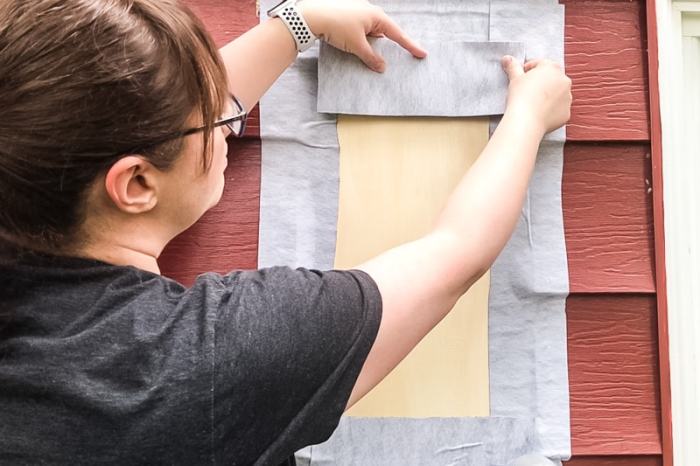
Regular maintenance is key to preventing future issues with aluminum siding and prolonging the lifespan of the repairs. By following some simple strategies, you can keep your aluminum siding in good condition for years to come.
Cleaning and Inspection
Regularly clean your aluminum siding to remove dirt, debris, and mildew that can cause damage over time. Inspect the siding for any signs of wear or damage, such as dents, scratches, or loose panels, and address them promptly to prevent further issues.
- Use a gentle detergent and a soft brush to clean the siding, avoiding harsh chemicals that can damage the finish.
- Inspect the siding for any loose or damaged panels and secure or replace them as needed.
- Check for any gaps or holes where moisture can seep in and seal them with caulk or sealant.
- Trim any overhanging trees or bushes to prevent damage from branches rubbing against the siding.
Painting and Sealing
To protect your aluminum siding and extend its lifespan, consider repainting or sealing it every few years. This will help prevent corrosion and fading, keeping your siding looking fresh and vibrant.
- Choose a high-quality exterior paint or sealant designed for use on aluminum surfaces.
- Clean the siding thoroughly before painting or sealing to ensure proper adhesion.
- Apply the paint or sealant evenly, following manufacturer instructions for best results.
- Consider applying a clear coat or UV protectant to further protect the siding from the elements.
Regular Maintenance Schedule
Create a regular maintenance schedule to ensure your aluminum siding stays in top condition year-round. By staying proactive and addressing any issues promptly, you can prevent costly repairs down the line and enjoy your siding for years to come.
- Set aside time each season to clean and inspect your siding, making note of any areas that may need attention.
- Schedule professional inspections every few years to catch any issues early and prevent major repairs.
- Keep a record of your maintenance tasks and any repairs made, so you can track the condition of your siding over time.
- Stay vigilant for signs of wear or damage, such as peeling paint, loose panels, or discoloration, and address them promptly.
Final Review
In conclusion, navigating the realm of loose aluminum siding repair demands attention to detail and a proactive approach. By understanding the causes, implementing effective repair methods, and prioritizing maintenance, you can ensure the longevity and aesthetics of your aluminum siding.
Take charge of your repair journey and safeguard your home with these valuable insights.
FAQ Compilation
What are the common causes of loose aluminum siding?
Common causes include improper installation, weather conditions, and age-related wear and tear.
What tools are essential for inspecting loose aluminum siding?
Tools such as a ladder, flashlight, and a hammer are crucial for a thorough inspection.
How can I prolong the lifespan of repaired aluminum siding?
Regular cleaning, inspections, and timely repairs can help extend the lifespan of repaired aluminum siding.