
Step into the world of wood siding exterior homes, where durability meets design in a harmonious blend. This guide promises to unravel the secrets behind the allure of wood siding, offering insights that will transform the way you view home exteriors.
Delve deeper into the nuances of wood siding, from its eco-friendly qualities to the myriad of design options available, creating a narrative that captivates and educates simultaneously.
Benefits of Wood Siding for Exterior Homes
Wood siding offers numerous benefits for exterior homes, making it a popular choice among homeowners looking for both durability and aesthetics.
Durability of Wood Siding
Wood siding is known for its durability, especially when properly maintained. With regular sealing and finishing, wood siding can withstand the elements and last for decades, providing a long-lasting and reliable exterior for your home.
Aesthetic Appeal of Wood Siding
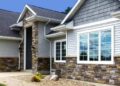
One of the main attractions of wood siding is its natural beauty and timeless appeal. The rich texture and warmth of wood can enhance the overall look of your home, adding character and charm that other materials may not achieve.
Eco-Friendly Aspects of Using Wood Siding
Wood siding is a sustainable and eco-friendly choice for exterior homes. As a renewable resource, wood can be sourced from responsibly managed forests, making it an environmentally conscious option. Additionally, wood siding is biodegradable, reducing its impact on the environment compared to non-biodegradable materials.
Versatility of Designs Available with Wood Siding
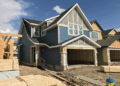
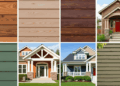
Wood siding offers a wide range of design options, allowing homeowners to choose from different profiles, finishes, and colors to suit their personal style and preferences. Whether you prefer a traditional look or a modern aesthetic, wood siding can be customized to create the perfect exterior for your home.
Types of Wood Used for Exterior Siding
When it comes to choosing wood for exterior siding, there are several popular options available. Each type of wood has its own characteristics, maintenance requirements, and cost implications. Let's take a closer look at cedar, pine, and redwood for siding.
Cedar
Cedar is a popular choice for exterior siding due to its natural beauty and durability. It is resistant to rot, decay, and insect damage, making it a low-maintenance option. However, cedar siding may require regular staining or painting to maintain its appearance.
In terms of cost, cedar siding tends to be on the higher end compared to other wood species.
Pine
Pine is another common wood used for exterior siding. It is more affordable compared to cedar and redwood, making it a budget-friendly option for homeowners. However, pine is less durable than cedar and redwood, requiring more frequent maintenance such as sealing, staining, or painting to protect it from the elements.
Redwood
Redwood is known for its rich color and natural resistance to decay and insect damage. It is a high-end option for exterior siding, offering a luxurious look to any home. Redwood siding is relatively low maintenance but may still require periodic sealing or staining to preserve its beauty.
The cost of redwood siding is typically higher than cedar and pine due to its premium quality.
Installation Process of Wood Siding
When it comes to installing wood siding on the exterior of your home, there are several important steps to follow to ensure a successful outcome.
Preparing the Exterior for Wood Siding Installation
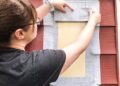
Prior to installing wood siding, it is crucial to prepare the exterior of your home properly. This includes cleaning the surface, repairing any damages, and applying a weather-resistant barrier to protect against moisture.
Different Installation Methods for Wood Siding
- Horizontal Installation: This is the most common method where the siding boards are placed horizontally, overlapping each other to create a seamless look.
- Vertical Installation: In this method, the siding boards are installed vertically, giving a unique and modern aesthetic to the exterior.
- Shingle Installation: Shingles are installed one by one, overlapping each other to create a textured and visually appealing finish.
Importance of Proper Sealing and Weatherproofing
Proper sealing and weatherproofing are essential during wood siding installation to prevent moisture penetration, which can lead to rot and decay
Tips for DIY Installation vs. Hiring Professionals
- DIY Installation: If you have experience with carpentry and the necessary tools, you can save money by installing wood siding yourself. Just be sure to research and follow proper installation techniques.
- Hiring Professionals: For a flawless finish and peace of mind, consider hiring professional contractors who specialize in wood siding installation. They have the expertise and tools to ensure a high-quality result.
Maintenance and Care Tips for Wood Siding
Proper maintenance and care are essential to ensure the longevity and appearance of your wood siding. By following these best practices, you can keep your exterior looking great for years to come.
Cleaning and Maintaining Wood Siding
- Regularly clean your wood siding with a mild detergent and water to remove dirt, mold, and mildew.
- Inspect for any signs of damage or rot and address them promptly to prevent further deterioration.
- Consider applying a protective sealant or finish to help protect the wood from moisture and UV damage.
Repainting or Re-Staining Wood Siding
- Wood siding typically needs to be repainted or re-stained every 3-7 years, depending on the type of wood and climate conditions.
- Before repainting or re-staining, make sure to properly prepare the surface by cleaning and sanding any rough areas.
- Choose high-quality paint or stain products to ensure durability and longevity.
Common Issues with Wood Siding and How to Address Them
- Rotting: Replace any rotted wood immediately and address the underlying cause, such as water damage.
- Peeling Paint: Strip off the old paint, sand the surface, and apply a new coat of paint to prevent further peeling.
- Warping or Cupping: Properly seal and finish the wood to prevent moisture absorption, which can lead to warping or cupping.
Significance of Regular Inspections for Wood Siding
Regular inspections allow you to identify and address any issues with your wood siding before they escalate into larger problems. By inspecting your siding annually, you can catch any damage early and take the necessary steps to maintain the integrity and beauty of your home's exterior.
Final Conclusion
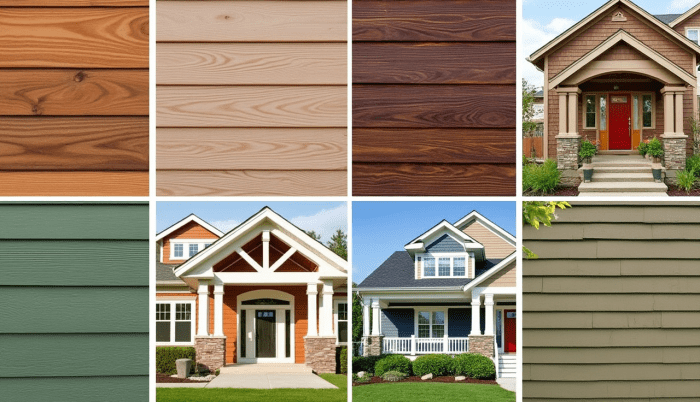
As we draw the curtains on our exploration of wood siding for exterior homes, remember that the beauty of wood lies not just in its aesthetics but also in its resilience. Embrace the timeless elegance of wood siding and watch as your home transforms into a masterpiece that stands the test of time.
FAQ Corner
What are the benefits of using wood siding for exterior homes?
Wood siding offers durability, aesthetic appeal, eco-friendliness, and versatile design options.
Which types of wood are commonly used for exterior siding?
Popular choices include cedar, pine, and redwood, each with unique characteristics and maintenance requirements.
What is involved in the installation process of wood siding?
The installation process includes preparing the exterior, choosing the installation method, sealing for weatherproofing, and deciding between DIY or professional installation.
How can one maintain and care for wood siding?
Regular cleaning, repainting or re-staining as needed, addressing common issues promptly, and conducting regular inspections are key to maintaining wood siding.